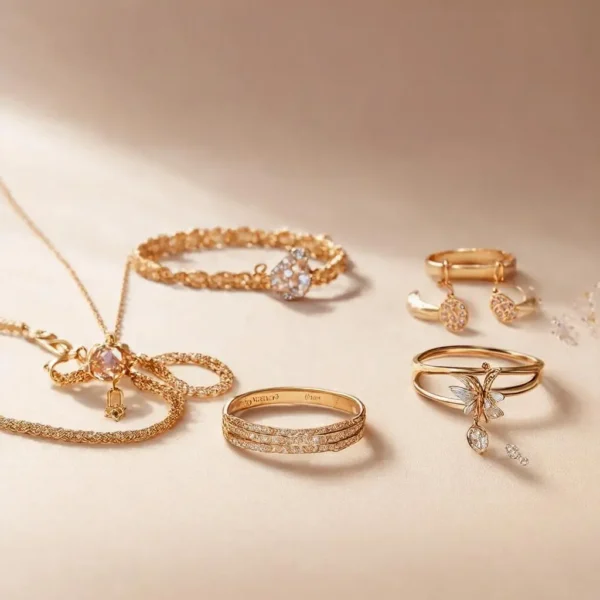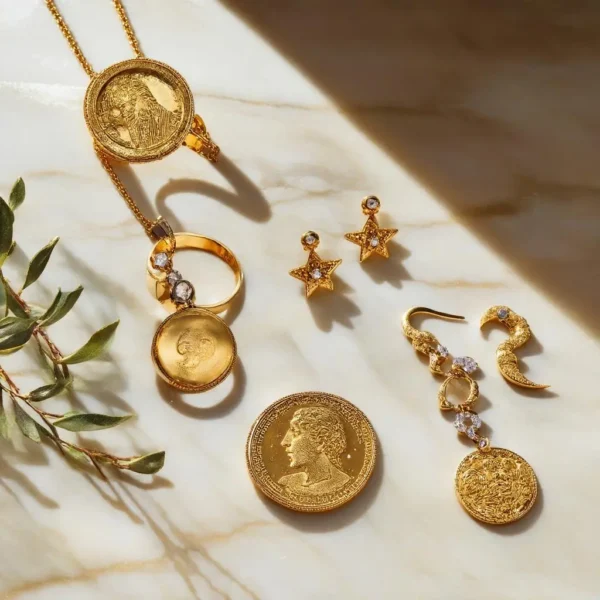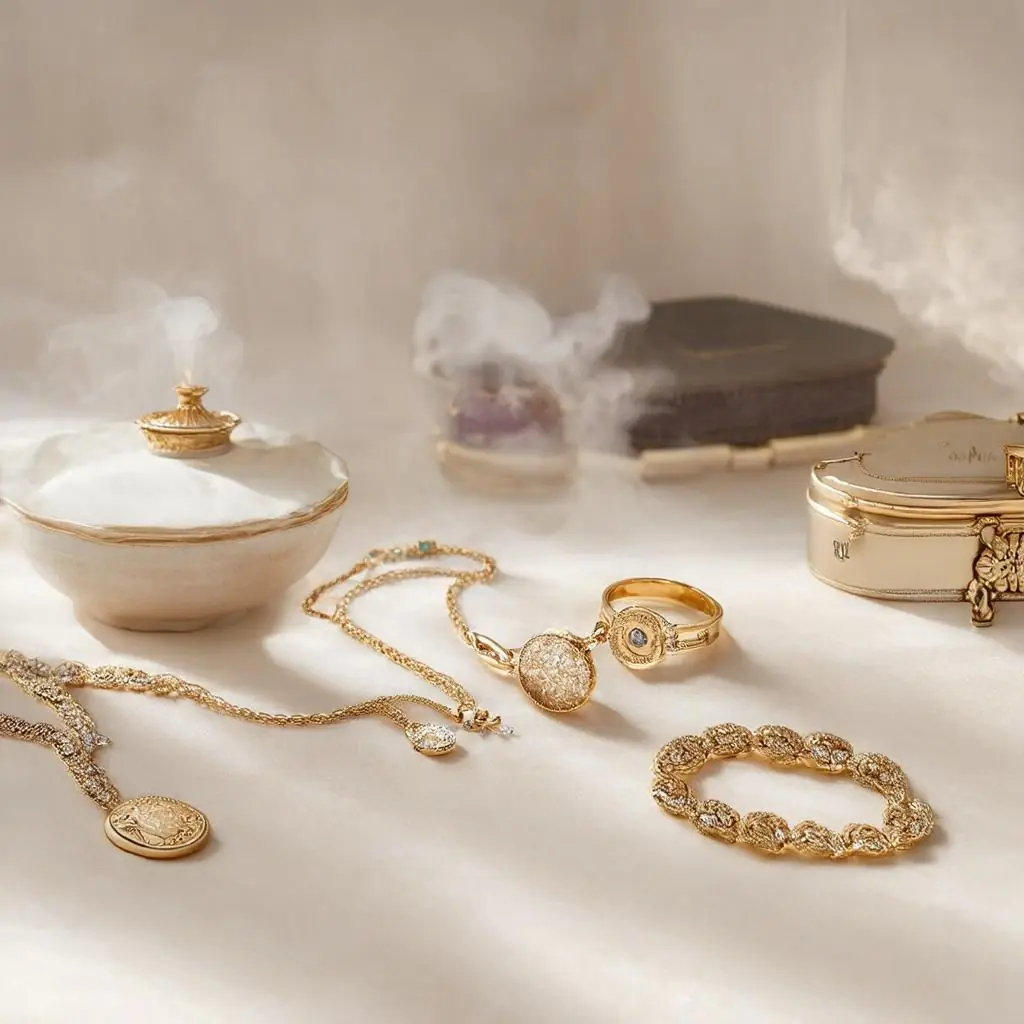
There’s something especially upsetting about jewelry theft at home. It’s not just about losing something valuable—it’s about losing pieces that carry memory, meaning, and energy. A birthstone necklace from your mother, a signet ring engraved with a family initial, a protection talisman you wear during big career moments—these aren’t just accessories. They’re personal anchors.
And unfortunately, recent reports of in-home jewelry thefts are a reminder that heirlooms and meaningful pieces can be more vulnerable than we think. This is especially true for elders, busy professionals, and families who regularly have caregivers, contractors, cleaners, or guests moving through the home. Most people don’t want to live in fear, but they do want a smart, realistic plan.
The good news: protecting your jewelry doesn’t have to feel paranoid or extreme. The best approach is a blend of practical security and intention-driven care. In other words, protect the physical piece and protect the meaning attached to it.
Build Your Physical Protection Plan First
If you want to safeguard your collection, start with the basics—and do them thoroughly.
First, create a full photo inventory. Take clear photos of every important piece, including close-ups of hallmarks, engravings, stone settings, clasps, and any unique wear patterns or marks. These small details matter. If something is ever stolen, they can help prove ownership and improve the chances of recovery. For pieces that have serial numbers, keep those recorded too.
Next, gather your appraisals, receipts, and purchase records into one secure digital folder. Cloud storage with strong passwords and two-factor authentication is ideal. If you have inherited pieces without receipts, make note of their history, approximate age, family origin, and any distinctive details. Provenance matters.
Insurance is another step people often delay—until they need it. A standard homeowner’s or renter’s policy may not fully cover jewelry, especially higher-value items, heirlooms, or specialty pieces. Adding a dedicated jewelry rider can make a big difference. If your collection includes birthstone gifts, signet rings, fine gold pieces, or ritual talismans with precious materials, it’s worth checking your coverage now rather than later.
Storage matters just as much as documentation. Jewelry should not live in obvious places like top dresser drawers, bathroom cabinets, or decorative boxes left in plain sight. A bolted, fire-rated safe is one of the smartest investments you can make. For pieces you wear regularly, small travel safes are useful for daily rotations, especially if you want to keep your favorites close but protected. If guests stay in your home, lock guest-room drawers and avoid leaving anything meaningful or valuable accessible.
And one more modern rule: don’t advertise your collection online. Posting valuables on social media—especially in real time—can expose more than you intend. Even casual “jewelry stack of the day” content can reveal what you own, where you keep it, and when you’re away from home.
Be Thoughtful About Who Has Access
A lot of in-home theft risk comes down to access. Not everyone who enters your home is a threat, of course, but access should always be intentional.
If you hire in-home help—caregivers, cleaners, organizers, dog walkers, nannies, repair professionals, or contractors—ask for references. Run background checks when appropriate. Confirm bonding and insurance. This isn’t rude; it’s responsible. It protects everyone involved and sets a professional standard from the beginning.
It’s also smart to clearly define off-limits areas of the home. Don’t assume people will know what’s private. Say it directly and kindly. Certain rooms, closets, cabinets, or drawers should be designated as personal spaces.
Technology can help without making your home feel tense. A doorbell camera is a great first layer. Discreet sensors for drawers, closets, or jewelry cabinets add another level of awareness. You don’t need a dramatic surveillance setup—just enough to notice unusual access and create accountability.
For recovery, preparation is everything. Make a one-page item list with the essentials: item name, description, metal type, gemstones, engravings, hallmarks, serial numbers, estimated value, and a photo reference. If theft ever happens, you’ll be able to quickly share that list with authorities, your insurance company, and local secondhand dealers or pawn shops. Speed matters in those early hours.
Also, be intentional about provenance now, not later. Record the distinguishing details of each piece before there’s ever a problem. The more specific your records, the easier it is to identify and claim what’s yours.
If an incident does happen, act fast. File a police report immediately and include photos, descriptions, and values. Notify your insurer as soon as possible. Then update your inventory to reflect what was taken and any new information that comes up during the process. It’s stressful, yes—but having a plan turns panic into action.
Add the Spiritual Layer: Protection, Cleansing, and Re-Dedication
Once the practical side is handled, you can build in the spiritual layer—the part that helps your jewelry stay energetically aligned, not just physically protected.
A simple way to start is with a monthly New Moon Inventory ritual. This can be as structured or relaxed as you like. Once a month, take out your key pieces and review them one by one. Confirm they’re present, inspect clasps and settings, wipe them down gently, and reconnect with why you keep them. This small practice does two things at once: it strengthens your inventory habits and re-establishes your intention around each piece.
This is also the perfect time to cleanse and re-dedicate your jewelry. After travel, emotionally heavy events, illness, conflict, or high-stress periods, many people like to reset the energy of the pieces they wear most. A simple smoke cleanse or a light salt ritual can be enough, depending on the material of the jewelry. Just be careful—some metals, stones, and finishes are sensitive, so always choose a cleansing method that won’t damage the piece.
Protective symbols and mantras can add another meaningful layer. A ring engraved on the inside with a private phrase, an amulet marked with a symbol of protection, or a birthstone talisman dedicated to courage, calm, or prosperity can turn jewelry into something more than beautiful—it becomes intentional. For spiritually-conscious professionals, this is where jewelry becomes part of daily grounding, not just style.
If you have children, you can teach them a gentle protection ritual for their birthstone pieces too. It doesn’t need to be elaborate. Something as simple as placing the piece in a special box, saying a short blessing, or thanking it for keeping them safe can create respect and awareness early on. It helps kids understand that meaningful objects deserve care.
Protect the Story, Not Just the Object
One of the most overlooked parts of jewelry security is ethical buying. If you want your collection to stay clear in both energy and provenance, only buy from sources that can document origin and that do not trade in suspicious goods. Whether you’re purchasing a modest everyday bracelet or a high-value heirloom piece, transparency matters. Good documentation protects you legally, financially, and spiritually.
This is especially important if you love symbolic or ritual jewelry. Pieces meant to support protection, luck, abundance, or emotional grounding should come from makers and sellers whose practices align with those values. Ethical sourcing, durable craftsmanship, and honest records all matter.
At the end of the day, protecting jewelry at home is about more than preventing loss. It’s about honoring what these pieces represent in your life. Maybe your collection is accessible luxury, maybe it includes major fine-jewelry investments, or maybe it’s a mix of heirlooms, birthstones, and modern talismans you’ve collected through different life chapters. All of it deserves care.
An intentional protection plan keeps your heirlooms energetically clear and physically secure. And that kind of peace of mind? That’s always worth wearing.