There was a time when buying jewelry was mostly about status. Bigger stone, flashier finish, more recognizable look. For a lot of shoppers, that used to be the whole point. But that mindset is changing fast.
Today’s jewelry buyers want more than something pretty sitting in a box. They want pieces that actually fit their lives. They want jewelry that means something, feels personal, holds up to daily wear, and comes from a brand they can trust. In other words, they’re not just shopping for sparkle—they’re shopping for connection.
That shift says a lot about how people see luxury now. Luxury is becoming less about showing off and more about choosing well. It’s about finding a ring, bracelet, or necklace that reflects who you are, what you value, and how you move through the world. For spiritually-conscious professionals, self-care advocates, and value-driven shoppers, jewelry has become part style, part ritual, part identity.
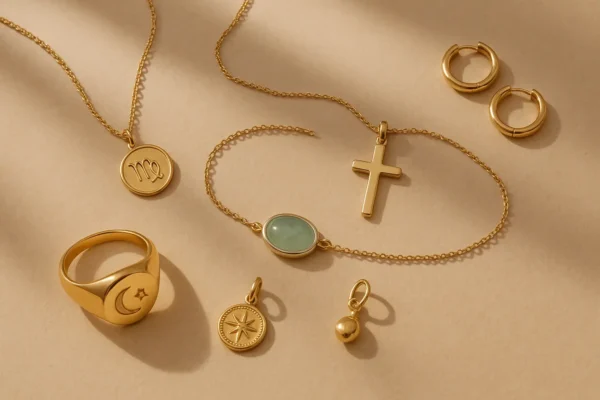
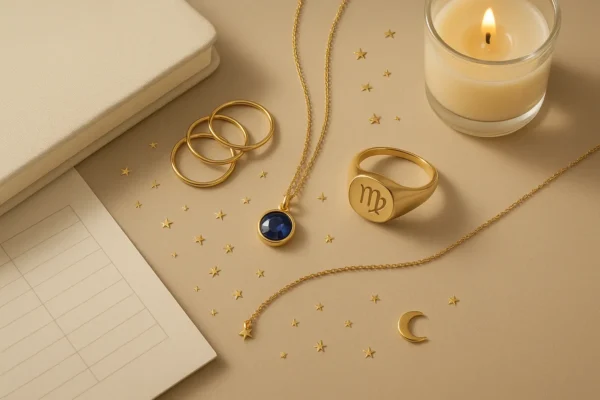
That’s why symbolic and intentional jewelry is having such a strong moment. Zodiac-inspired pieces, birthstone talismans, amulet signet rings, and protective charms all tap into something deeper than trend. They give the wearer a story. Maybe it’s a reminder of personal growth, a symbol of abundance, a connection to astrology, or simply a grounding object that helps them feel more centered during a busy day. Either way, the emotional value matters just as much as the visual one.
This is also why founder-led and outsider-led brands are getting more attention. Shoppers are increasingly open to innovation from brands that didn’t come from traditional luxury playbooks. In fact, many people prefer it. They like seeing fresh ideas from companies that are willing to rethink what jewelry can be—less formal, more functional, more inclusive, and more aligned with how people actually live now.
Meaning and Transparency Now Go Hand in Hand
Personal significance gets people interested, but transparency is often what gets them to buy.
Modern consumers are more informed than ever, and they ask better questions. What is this made from? Will it tarnish? Where did the materials come from? Is the brand ethical? Is the markup reasonable? Is this piece designed to last, or is it just good marketing?
These questions matter even more for accessible luxury buyers. They’re value-conscious, not careless. They’re willing to invest in jewelry, but they want to know that what they’re paying for is real quality, thoughtful design, and honest sourcing. That’s a major change from older buying habits, where brand image alone could carry the sale.
Now, trust is built through education and authenticity. Brands that clearly explain their materials, their craftsmanship, and their design philosophy are more likely to win loyalty. If a company talks openly about using recycled metals, carbon-neutral practices, medical-grade stainless steel, or durable gold plating, shoppers see that as useful information—not background noise.
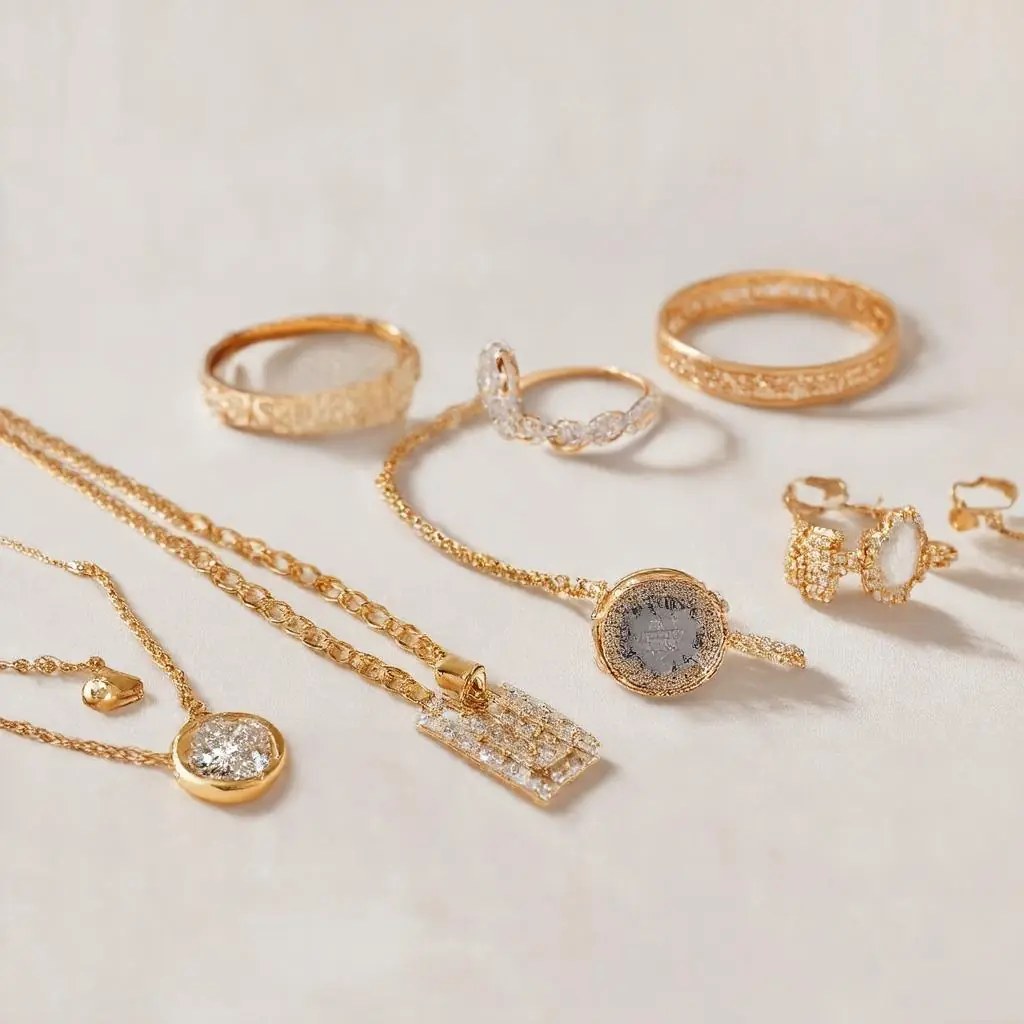
The same goes for alternative materials, including lab-created stones. Consumer attitudes have shifted a lot here. Buyers are no longer automatically dismissing anything that isn’t “traditional.” Instead, they’re asking whether it’s beautiful, durable, responsible, and priced fairly. For many shoppers, lab-created stones make perfect sense. They can offer visual appeal, consistency, and better accessibility without the heavy status baggage that used to dominate the conversation.
This broader openness reflects a more practical and empowered customer. People want to understand what they’re buying and feel good about the choice. That’s especially true when jewelry is tied to intention—whether that means a birthstone for protection, a zodiac charm for alignment, or a discreet fidget ring that supports calm and focus throughout the day. In those cases, the purchase becomes personal, and personal purchases require trust.
Everyday Wearability Is the New Standard
One of the biggest shifts in the jewelry space is that people no longer want to save their favorite pieces for “someday.”
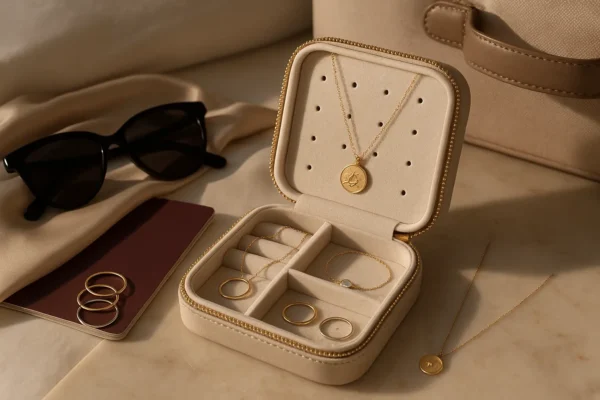
They want jewelry they can wear on a Monday morning Zoom call, during school pickup, out to dinner, on a flight, or while running errands. They want pieces that feel elevated but easy. Stylish but low-maintenance. Meaningful without being overcomplicated.
That’s where everyday wearability becomes essential. A modern jewelry buyer is often looking for something versatile enough to stack, layer, or wear solo across different settings. Minimalist rings, celestial drop earrings, talisman necklaces, and sleek ankle bracelets all fit into this mindset when they’re made well and designed with real life in mind.
Durability plays a huge role here. If a piece is meant to be part of someone’s daily ritual, it needs to keep up. Materials like medical-grade 316L stainless steel, recycled gold plating, sterling silver, and other tarnish-resistant finishes matter because they support the way customers actually use jewelry. Nobody wants a “special” piece that becomes stressful to maintain.
This is also why practical symbolism works so well today. Jewelry doesn’t have to be loud to be powerful. A quiet signet ring can carry protective meaning. A birthstone bracelet can feel like a deeply personal gift. A zodiac piece can act as a daily reminder of confidence, grounding, luck, or emotional balance. These pieces blend seamlessly into everyday wardrobes while still offering a private sense of intention.
For many buyers, that balance is exactly the appeal. They’re drawn to unbranded quiet luxury—pieces that don’t scream for attention but still feel special. Jewelry is becoming less about external validation and more about internal resonance. If it looks beautiful, lasts well, and supports how someone wants to feel, it’s doing its job.
Why This Shift Matters for the Future of Jewelry
What we’re seeing now isn’t a passing phase. It’s a deeper reset in how people define value.
The modern jewelry buyer is smart, emotionally aware, and selective. They’re not impressed by status alone. They want quality they can understand, symbolism they can connect with, and designs they can actually live in. They’re open to new materials, interested in ethical sourcing, and much more likely to support brands that feel honest and human.
That creates space for jewelry that does more than decorate. It can comfort, express, celebrate, protect, ground, or inspire. It can mark a season of life, support a personal goal, or become part of a self-care ritual. That’s especially powerful in categories like zodiac jewelry, celestial talismans, and birthstone pieces, where emotional meaning is already built into the design.
For brands, the message is clear: shoppers want substance. They want to know why a piece exists, who it’s for, how it’s made, and what makes it worth wearing every day. They want beauty, but they also want clarity. They want style, but they also want sincerity.
And honestly, that’s a good thing. It means jewelry is becoming more personal, more thoughtful, and more inclusive. It means accessible luxury can still feel special. It means a well-made bracelet or meaningful ring doesn’t need to be locked away for rare occasions to have real value.
The future belongs to jewelry that people can connect with on multiple levels—emotionally, ethically, practically, and aesthetically. The brands that understand that are the ones that will keep earning trust, building loyalty, and standing out in a market where meaning now matters just as much as shine.