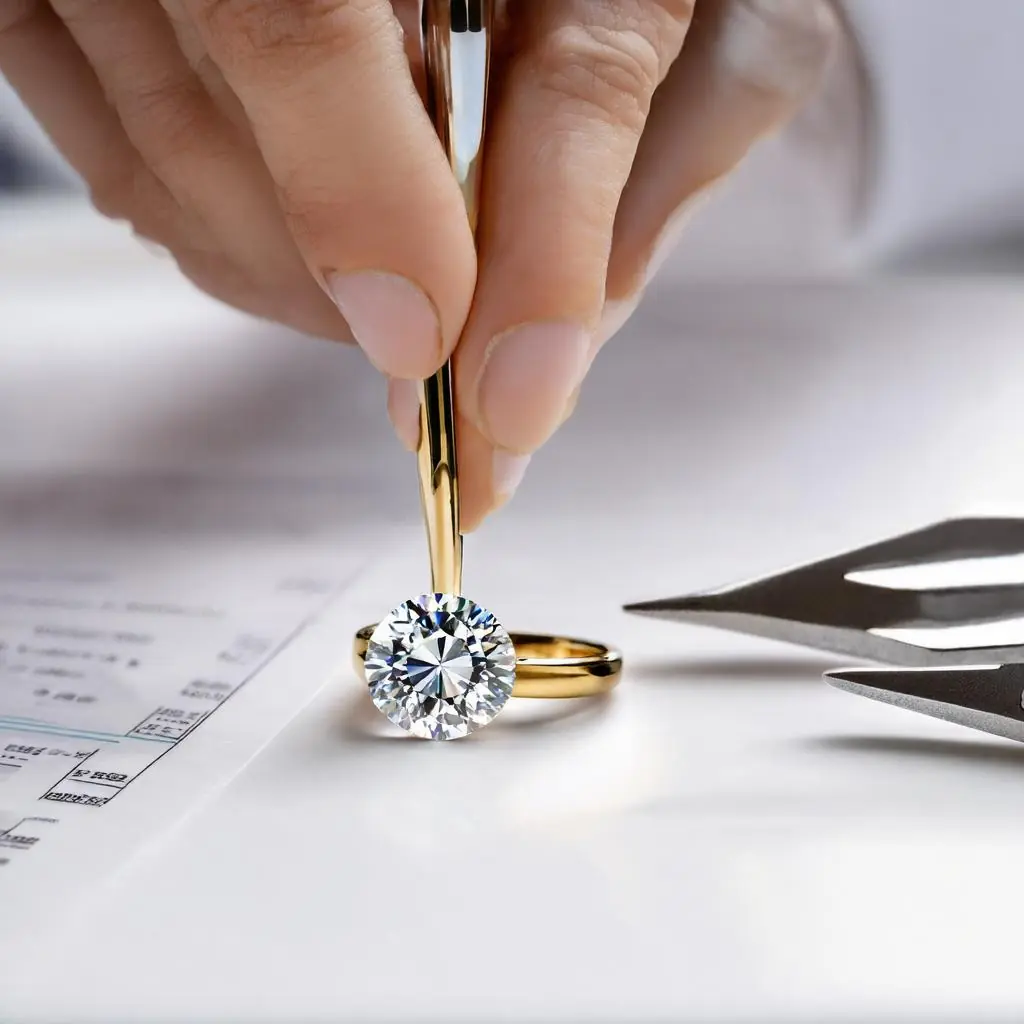
If you’ve heard buzz about “new diamond rules,” here’s the quick version: recent U.S. regulation changes now require importers to include a self-certification statement about diamond origin when bringing diamonds and diamond jewelry into the country. There’s also a grandfather clause: items imported before March 1, 2024 are exempt from this new declaration, even if they’re sold later.
Why should you care as a shopper? Two big reasons:
- Trust and transparency: Origin attestations are meant to add visibility into supply chains, reduce the risk of sanctioned or otherwise problematic sources, and build consumer confidence.
- Practical ripple effects: Added paperwork and traceability steps can affect what’s available on shelves, how fast special orders arrive, and how prices are set—especially for natural diamonds versus lab-grown options.
In short, you’ll start hearing more about “origin” at the counter—and seeing more documentation—because retailers and importers need to keep the paper trail cleaner than ever.
What proof looks like (and what it doesn’t)
You can (and should) ask for documentation that supports a diamond’s stated origin. Common items a retailer can share include:
- Supplier statements: A written declaration from the supplier (or importer) that identifies the diamond’s claimed origin in line with the new self-certification requirement.
- Invoices and packing lists: These show the supply chain path and can reference origin details. They’re part of the traceability stack, even if they’re not bulletproof proof on their own.
- Grading reports with inscription numbers: For larger stones, labs like GIA, IGI, and others often laser-inscribe a report number on the girdle. You can use that number to look up the report online, verify the characteristics, and sometimes see notes related to origin or chain-of-custody claims if they were documented at submission.
A quick reality check on limitations:
- Self-certification isn’t third-party verification: It’s an attestation by the importer. It’s useful and increasingly required, but it’s not the same as an independent audit.
- Mixed parcels are common: Especially with small diamonds (melee), stones may be mixed from various sources at cutting centers. That makes definitive, single-country origin claims tough.
- Grading reports don’t always include origin: Labs verify a diamond’s characteristics (carat, color, clarity, cut). Not all reports include origin data, and when they do, it’s often because the stone was submitted under a documented chain-of-custody program.
- Recycled and antique diamonds are different: A recycled diamond may predate modern traceability and lack origin paperwork. That doesn’t make it “bad”—in fact, reusing a stone can be a very ethical choice—it just means origin may be unknown.
Bottom line: You can expect more paperwork than before, but perfect certainty isn’t always possible. Good retailers will be upfront about what they can verify and where the paper trail ends.
How the rules may affect availability, timelines, and pricing
Natural diamonds
- Availability: Some natural diamonds—especially those that pass through complex supply chains—may be slower to import if extra documentation is needed. Certain sizes and qualities could be tighter in the short term as suppliers adapt.
- Lead times: Special orders might take longer so suppliers can gather the right self-certifications and ensure paperwork aligns with the new requirements.
- Pricing: Added compliance steps can increase costs. Expect that to be reflected more in specific categories (for example, large single stones or certain melee parcels) rather than across the board.
Lab-grown diamonds
- Availability: Lab-grown diamonds are created in controlled environments with clearer production footprints. That typically means simpler documentation and steadier availability.
- Lead times: Often shorter or more predictable for special orders, because production can be scheduled and traced more directly.
- Pricing: Lab-grown stones have seen significant price drops over the past few years due to scaling and competition. Compliance overhead tends to be lower than for natural stones, which can help keep pricing sharp.
If you’re shopping soon, it may be easier to find exactly what you want in lab-grown, or to consider a recycled natural diamond if you’re open to that path. For natural diamonds with precise specs and fresh import paperwork, plan ahead—build in a little extra time for sourcing.
Your pre-purchase checklist + ethical shopping tips
Questions to ask before you buy
- Can you share the diamond’s documentation? Ask for the supplier’s origin statement, relevant invoices, and any grading report with an inscription number.
- Does the grading report include origin or chain-of-custody notes? If not, what traceability info is available?
- If it’s a natural diamond, when was it imported? Items imported before March 1, 2024 fall under the grandfather clause and may not have the newer self-certification.
- For small diamonds (melee), how do you handle origin claims? Are parcels segregated by source? What controls are in place?
- For lab-grown diamonds, who produced the stone, and what documentation accompanies it? Is it listed on a lab report with an inscription?
- If I’m remounting a recycled or heirloom diamond, how is that documented on my invoice? What can you tell me about the stone’s characteristics and condition?
- What’s the return, exchange, and warranty policy, especially for custom orders that may have longer lead times due to compliance steps?
Ethical shopping tips that go beyond origin
- Consider recycled diamonds and gems: Reusing a stone avoids new mining impact and can be an elegant, budget-friendly way to go.
- Look for recycled metals: Rings, chains, and settings made with recycled gold or silver reduce the need for newly mined materials.
- Check for transparent sourcing policies: Read the retailer’s sourcing page. Do they explain how they vet suppliers, maintain paperwork, and segregate inventory? Transparency is a strong signal of integrity.
- Packaging matters: Recyclable or minimal packaging cuts waste without compromising gifting moments.
- Choose lab-grown when it fits your values: Lab-grown diamonds offer clarity on production and typically come at a lower price point, freeing budget for a higher carat, a premium cut, or a custom setting.
- Buy what you love, and make it last: A well-made piece with a timeless or personally meaningful design is inherently sustainable—fewer replacements, more wear.
Practical pro tips
- Verify inscriptions: Use the report number to look up the stone on the lab’s website and confirm it matches the physical diamond.
- Get details on maintenance: Proper cleaning and routine prong checks help your stone stay secure and brilliant, protecting your investment.
- Document your purchase: Keep digital copies of reports, invoices, and any origin statements together. It helps with insurance and future trade-ins or resizes.
The takeaway
- Expect more talk of “origin” at the counter—because importers now have to self-certify it.
- Don’t be surprised if natural-diamond special orders take a bit longer or cost a little more while the industry aligns to the rules.
- Lab-grown and recycled options are strong choices if you want predictable timelines, clear documentation, and a smaller environmental footprint.
- Ask questions, review the paperwork you’re offered, and choose a retailer that’s comfortable being transparent about what can—and can’t—be verified.
Shopping for something sparkly should feel exciting, not confusing. With a little documentation know-how and a values-first approach, you’ll walk away with a piece you love and confidence in where it came from.