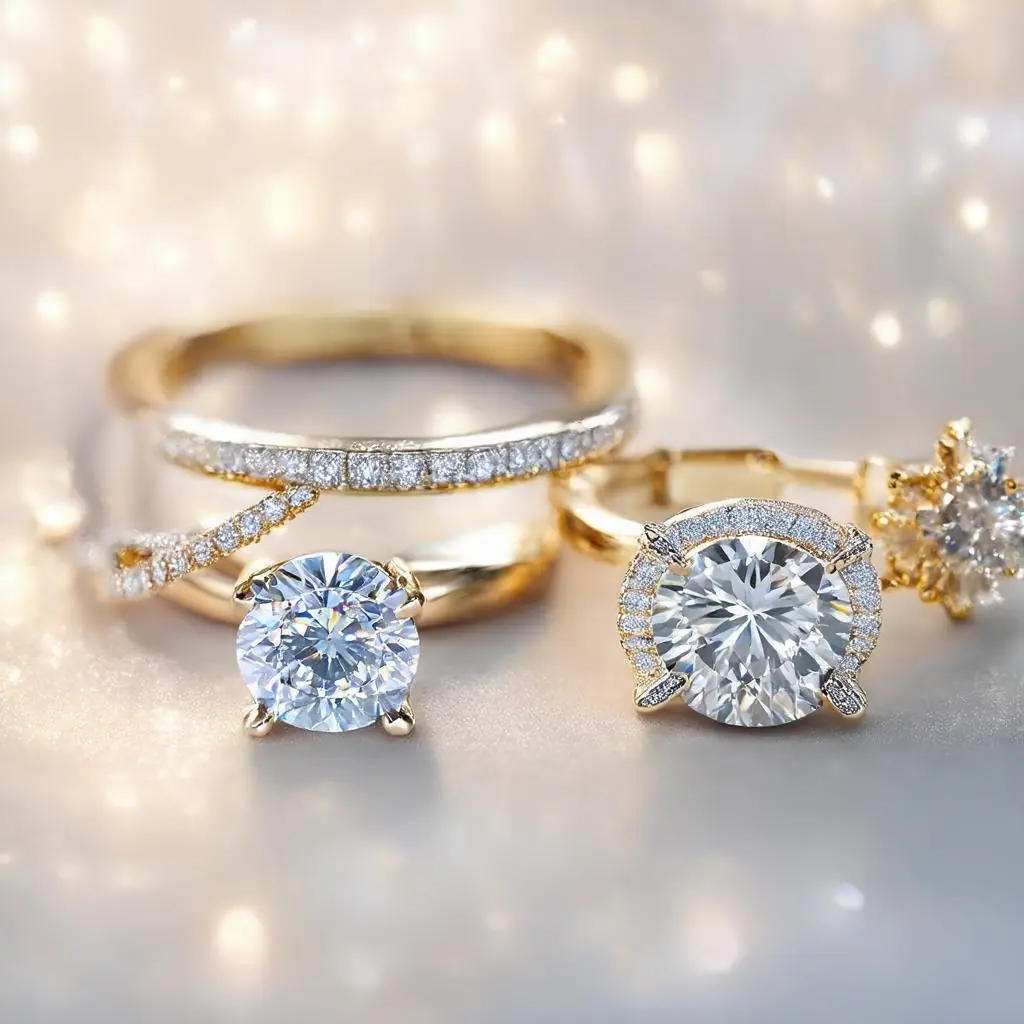
If you’ve been diamond browsing lately, you’ve probably felt the shift. Globally, shoppers are splitting into two camps—and sometimes shopping both: lab‑grown for size and price, natural for rarity and long‑term meaning.
- United States and Canada: Lab‑grown demand keeps climbing because you can get a bigger look for less. Natural diamonds are still strong for engagement and milestone pieces, but shoppers are more selective—prioritizing excellent cut and proven provenance.
- Europe: Sustainability messaging matters. Lab‑grown has solid traction, especially among first‑time buyers and style lovers who want carat presence without the price tag. Natural diamonds with transparent sourcing still resonate.
- Middle East: Preference skews more traditional, so natural diamonds remain the default for heirlooms and bridal. Lab‑grown is growing for fashion pieces.
- India and China: India is a production hub for lab‑grown, which helps availability and pricing. In China, demand has been mixed; natural diamonds are recovering in premium categories, while lab‑grown is popular with value‑driven, younger shoppers.
Pricing follows the demand curve:
- Lab‑grown prices have eased as supply scaled up. Translation: bigger stones, lower prices than a few years ago.
- Natural prices have “bifurcated.” Top‑quality, well‑cut stones with traceable origins are holding better; commercial‑grade stones face more price pressure as lab‑grown substitutes creep in.
Holiday season outlook:
- Expect aggressive lab‑grown promotions (especially for classic studs, solitaires, and tennis styles). Inventory is broad, so deals will be plentiful.
- Natural diamonds will lean into rarity, provenance, and cut quality. Retailers may spotlight smaller, exceptional stones at sharp price points and curated designer settings.
- Practical tip: shop early for the most popular sizes (1–2 ct lab‑grown; 0.50–1.00 ct natural). The best cut grades tend to go first, and resizing/setting lead times get tight in late November/December.
Natural vs Lab‑Grown: What’s the Same, What’s Different
What’s identical:
- Hardness and sparkle: Both are crystallized carbon—real diamonds—with a Mohs hardness of 10 and the same refractive brilliance and fire. If cut quality is equal, the “wow” factor is the same to the naked eye.
- Durability: Both are everyday‑wear tough (with the usual diamond care: avoid hard knocks, store separately).
What’s different:
- Origin and rarity: Natural diamonds formed deep in the earth over millions of years—geologically rare. Lab‑grown diamonds are created in weeks in controlled environments (HPHT or CVD), so they’re not scarce by nature, which is why prices are lower and more flexible.
- Price dynamics: For the same carat, color, and clarity, lab‑grown typically cost a fraction of natural. Natural diamond pricing is influenced by geology and global demand; lab‑grown pricing is influenced by technology, energy costs, and capacity.
- Environmental nuance: Lab‑grown often market lower impact, but it depends. Their footprint hinges on energy sources—renewable‑powered growers are meaningfully cleaner than those using coal‑heavy grids. Natural diamond mining has landscape and social impacts, but the best‑in‑class miners are improving with land restoration, water stewardship, and community investment. Bottom line: look past slogans and check third‑party reports, certifications, and energy disclosures.
- Traceability: Lab‑grown stones are typically fully traceable to the producer. Natural diamonds can be traceable too—look for suppliers with robust chain‑of‑custody documentation.
- Resale expectations: Natural diamonds with excellent cut, strong color/clarity, and recognized certificates historically retain a portion of value, but they are not an “investment” like stocks. Lab‑grown resale is currently limited; expect steep depreciation if you ever trade in. Buy lab‑grown for beauty and budget, not for resale.
Ethics and Sustainability: Reading the Fine Print
If ethics are a top priority, you have options—just ask the right questions.
For lab‑grown:
- Energy profile: Is the grower using renewable power or offsetting credibly? Are there published lifecycle assessments?
- Disclosure: Is the diamond clearly laser‑inscribed and documented as lab‑grown with independent grading?
For natural:
- Provenance: Is there a transparent supply chain with country‑of‑origin info?
- Standards: Look for third‑party audited programs and memberships (responsible mining and sourcing certifications).
- Community impact: Reputable producers publish data on local employment, infrastructure, and land rehabilitation.
Don’t forget the setting. Choosing recycled metals and recyclable packaging meaningfully lowers your jewelry’s footprint. That’s something we actively prioritize at Rochas Jewelry—recycled metals and planet‑friendly packaging—so the piece you choose aligns with your values beyond the stone itself.
How to Choose: A Quick Decision Framework (Plus Timeless Style Ideas)
Start with what matters most to you:
- Budget first: Want the biggest sparkle per dollar? Lab‑grown wins on carat size and can free up budget for a premium cut or a designer setting.
- Size goals: If you’ve pictured a 2 ct center stone but want to keep costs in check, lab‑grown makes it happen. If you’re happy with a beautifully cut 0.70–1.00 ct and want geologic rarity, go natural.
- Sustainability profile: Prefer clean energy and lab traceability? Look for lab‑grown sourced from renewable‑powered producers. Prefer nature‑made with documented community benefits? Choose a traceable natural diamond and pair it with recycled metal.
- Heirloom potential: If symbolic rarity and future pass‑down appeal matter most, natural often carries that old‑world mystique. If the heirloom is about the story—your engagement, your family—either option becomes priceless with the right craftsmanship and care.
- Resale realism: If future trade‑in value is part of your plan, lean natural with excellent cut and grading. If you’re okay with limited resale and want maximum look today, lab‑grown is great.
Timeless setting ideas that flatter both natural and lab‑grown:
- Classic solitaire: Four or six prongs, knife‑edge or cathedral shank—clean, elegant, forever in style.
- Bezel solitaire: Modern and protective; looks sleek for active lifestyles and stacks beautifully.
- Three‑stone: Symbolic and balanced; try an oval center with pear sides for a fresh take.
- Halo (petite): Adds presence without shouting; especially gorgeous on smaller natural centers or to super‑charge the sparkle on lab‑grown.
- Tennis bracelet/necklace and studs: Iconic diamond wardrobe staples that work in any era. Lab‑grown keeps the carat weight luxurious; natural elevates the heirloom vibe.
- Mixed metals: Two‑tone settings (white and yellow) bring dimension and make daily stacking effortless with the rest of your jewelry box.
Care tips to keep it brilliant:
- Prioritize cut quality—it’s the biggest driver of sparkle.
- Clean gently (warm water, mild soap, soft brush) and store separately to avoid scratches.
- Get the right paperwork: independent grading for the stone and a detailed receipt for insurance.
Shopping smart this holiday:
- Compare cut grades and light performance, not just carat and color.
- Look for transparent sustainability details (energy use for lab‑grown, provenance for natural).
- Shop early for sizing/setting timelines, especially for custom pieces and popular carat ranges.
- Expect strong lab‑grown promotions and curated natural assortments; the best “value” is the stone with great cut and documentation, not just the lowest sticker price.
At Rochas Jewelry, we’re here to help you navigate all of this with zero pressure. We blend classic and contemporary styles, use recycled metals and recyclable packaging, and curate pieces that meet you where you are—budget, style, and values included. New to Rochas? Enjoy 15% off your first order with code FIRST, and don’t miss our seasonal promos. If you’re building your diamond look, our team can help you size, select, and style a piece you’ll love for decades—natural or lab‑grown, your sparkle, your story.