If you look at Hong Kong’s wedding culture, one thing becomes clear really fast: modern romance doesn’t have to erase tradition. It can build on it.
That’s what makes Hong Kong such an interesting lens for engagement jewelry. You’ll see Western-style proposals with diamond rings, white gowns, and elegant wedding photos—but you’ll also see red Qun Kwa, family tea ceremonies, symbolic gold jewelry, and rituals rooted in centuries of Chinese tradition. Instead of competing, these elements often work together. The result is a wedding culture that feels layered, personal, and full of intention.
And honestly, that’s the big lesson for couples today. An engagement ring doesn’t have to be “just a diamond” because that’s what people expect. It can be a piece that says something deeper about who you are, what you value, and what kind of future you want to build together.
Historically, Chinese marriage traditions placed strong meaning on symbolic objects. Jade represented protection and blessing. Red silk knots carried associations with luck, joy, and connection. Gold offerings—often referred to through traditions like the “three gold pieces”—signaled prosperity, security, and family commitment. Dragon-and-phoenix bracelets symbolized balance between partners, while pig necklaces were linked to fertility, abundance, and the responsibilities of married life. Many of these customs were shaped by feng shui principles and family values that go back as far as the Song dynasty.
What’s beautiful is that these symbols still matter, even when the packaging changes. Today, couples in Hong Kong may choose a classic solitaire for the proposal, then pair it with ceremonial jewelry that reflects family heritage. That blend sends a powerful message: romance is personal, but commitment is also spiritual, cultural, and communal.
For the intentional consumer—the person who wants jewelry to mean something—this is a refreshing shift. It opens the door to engagement rings that are not only beautiful, but purposeful too.
2. What Traditional Symbols Can Teach Us About Choosing a Ring
So how do you take inspiration from these traditions without feeling like you’re copying history in a superficial way? Start by focusing on meaning, not costume.
The real takeaway from Hong Kong’s wedding customs is that jewelry can act like a wearable intention. Every material, motif, and stone can support a value or goal. That’s where intention-driven engagement rings become so compelling.
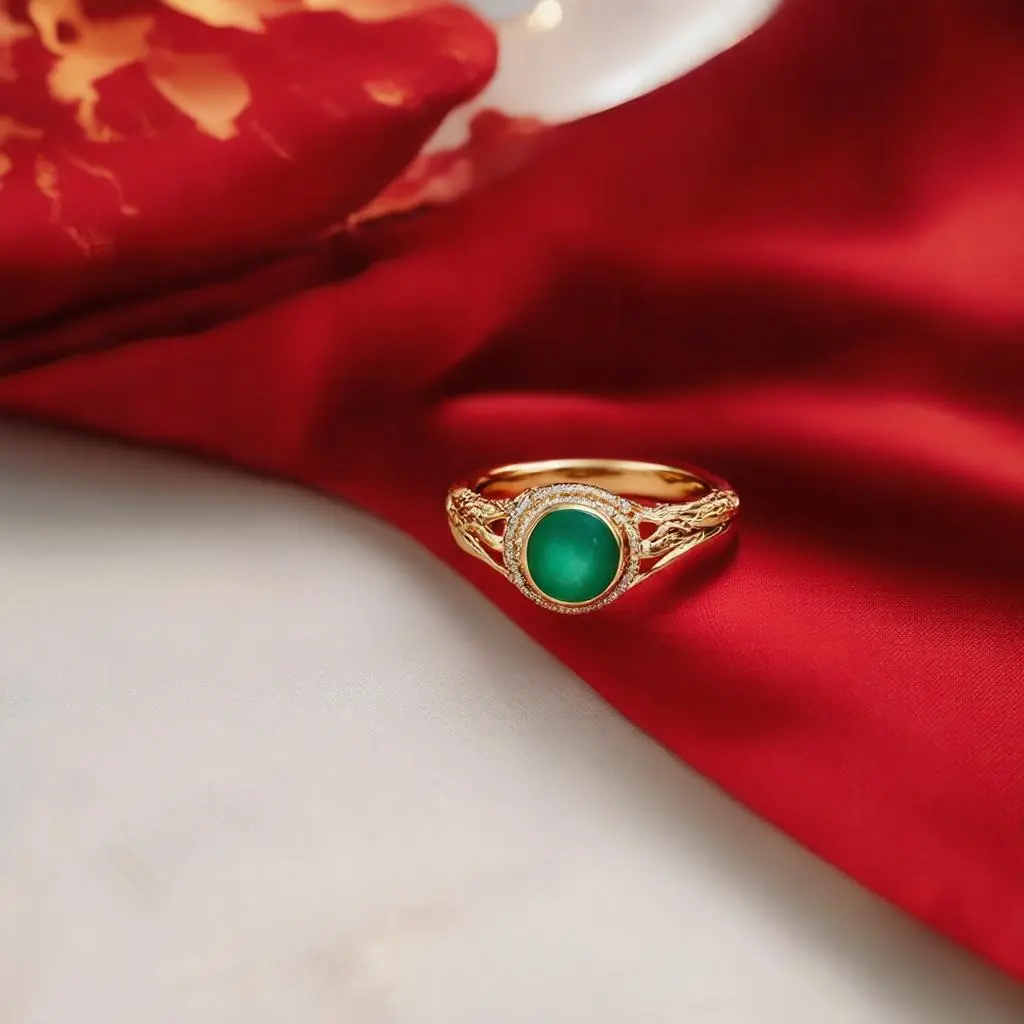
If protection is important to you, jade-inspired details are an obvious place to begin. That doesn’t mean your ring has to look antique or overly ornate. It could be as simple as incorporating a green stone, a smooth carved accent, or a protective motif worked subtly into the gallery or band. The point is to choose a symbol that reminds you of emotional safety, grounding, and long-term care.
If you’re drawn to prosperity and abundance, gold remains one of the strongest symbols across many traditions. In Chinese wedding customs, gold jewelry has long represented not only wealth, but also family blessing and stability. In a modern ring, that might translate to warm gold plating over sterling silver, durable gold-toned finishes, or design details that feel rich without being flashy. For couples who love quiet luxury, this is where intention and style line up perfectly.
If harmony is your focus, dragon-and-phoenix symbolism offers a useful framework. You don’t need literal dragons on the ring. Balance can show up through paired stones, dual-metal designs, mirrored textures, or a setting that blends soft and structured elements. A ring can symbolize two energies working together without looking thematic or costume-like.
Red, too, still matters. In Chinese tradition, red is associated with happiness, luck, and celebration. While it may not be the first color people think of for engagement jewelry, it can be introduced through a ruby accent, garnet detail, or even packaging and ceremony choices surrounding the ring itself.
This is also where birthstones and zodiac correspondences come in. A modern couple might choose stones based on birth month, zodiac sign, or shared intentions for the year ahead. Someone seeking emotional steadiness may lean toward grounding stones and minimal forms. Someone entering a season of ambition or career growth may want brighter, more energizing symbolism. The ring becomes less about following a trend and more about wearing a personal prescription—something aligned with your energy, your values, and your next chapter.
3. Why Craftsmanship, Transparency, and Everyday Wear Matter
Meaning is important, but let’s be real: if a ring isn’t comfortable, durable, and well made, it’s not going to feel sacred for very long.
One reason more people are becoming thoughtful about engagement jewelry is that they want to understand what they’re actually buying. There’s growing interest in hands-on jewelry education—things like polishing, stone setting, finishing techniques, and how different metals hold up over time. That curiosity makes sense. Once you realize how much craftsmanship affects wearability and longevity, it becomes harder to treat jewelry as just another accessory.
A meaningful ring should be built for real life. That means paying attention to materials and finishes, not just the center stone.
Ethical and durable choices matter here. Recycled metals, carbon-conscious production, and long-wearing materials appeal to couples who want beauty without compromise. Practical options like medical-grade 316L stainless steel, gold-plated sterling silver, and thoughtfully finished mixed metals can offer the best of both worlds: a refined look and everyday resilience. Tarnish resistance, skin-friendliness, and easy care are not boring details—they’re part of what makes a piece truly wearable.
Finish matters too. High polish gives a ring a classic, luminous look, while brushed or matte finishes feel understated and modern. Oxidized details can add depth and symbolism, especially if you want something a little more grounded or vintage-inspired. The right finish changes the personality of a ring completely.
Comfort is another underrated part of intention-driven design. If someone deals with stress or social anxiety, subtle comfort features can make a surprisingly big difference. A smooth comfort-fit interior, rounded edges, low-profile settings, and even discreet fidget elements can turn a ring into something emotionally supportive as well as symbolic. That’s not extra. That’s smart, human-centered jewelry design.
And this is where transparency from a brand or jeweler really matters. Couples should feel empowered to ask: What is this made of? How is it finished? Will it hold up to daily wear? Is the stone securely set? Is the plating thick enough for longevity? Meaning becomes much more powerful when it’s backed by honest craftsmanship.
4. A Simple Way to Build an Intention-Driven Engagement Ring
If you love the symbolism behind Hong Kong’s wedding traditions but want a ring that feels modern and personal, here’s a simple checklist to guide your decision.
1. Choose your core intention
Start with the energy you want the ring to carry. Is it about protection? Prosperity? Harmony? Fertility? Emotional grounding? Career growth? Family blessing? Pick one or two ideas max so the design stays focused.
2. Select a meaningful motif
Think subtly here. Jade-inspired elements can represent protection. Dragon-and-phoenix balance can be expressed through paired design details. Knots, circles, and interwoven forms can symbolize unity and luck. Gold references can stand for abundance and security. You don’t need to make the symbolism obvious for it to be real.
3. Pick the right metal and finish
Choose something that fits your lifestyle and skin sensitivity. Warm gold tones feel timeless and abundant. Silver-toned metals feel clean and modern. Stainless steel works well for durability and low maintenance. Recycled materials are ideal if ethical sourcing matters to you. Then decide on finish: polished, brushed, matte, or textured.
4. Add a stone with personal meaning
A diamond can still absolutely be part of an intention-driven ring—but it doesn’t have to do all the work. Consider birthstones, zodiac-aligned stones, or colored accents that support your goal. Green tones can evoke protection and growth. Red stones can suggest luck and joy. Blue can feel calming and wise. Clear stones can symbolize clarity and devotion.
5. Don’t skip comfort features
This ring is meant to be lived in. Look for secure settings, smooth edges, balanced weight, and a profile that suits your daily routine. If tactile comfort helps with stress, consider a subtle fidget-friendly detail that doesn’t disrupt the design.
6. Include a simple blessing ritual
This doesn’t need to be elaborate. Before wearing the ring, cleanse it in a way that feels meaningful to you—through intention, breath, moonlight, prayer, or a few spoken words together. You can say something as simple as: May this ring protect our peace, strengthen our bond, and guide us toward a future of love and abundance. That moment turns a piece of jewelry into a personal talisman.
Hong Kong’s wedding traditions remind us that engagement jewelry can do more than sparkle. It can carry memory, family symbolism, spiritual intention, and modern love all at once. So yes, diamonds are beautiful. But the real magic starts when the ring reflects not just what you’re wearing, but what you’re building together.