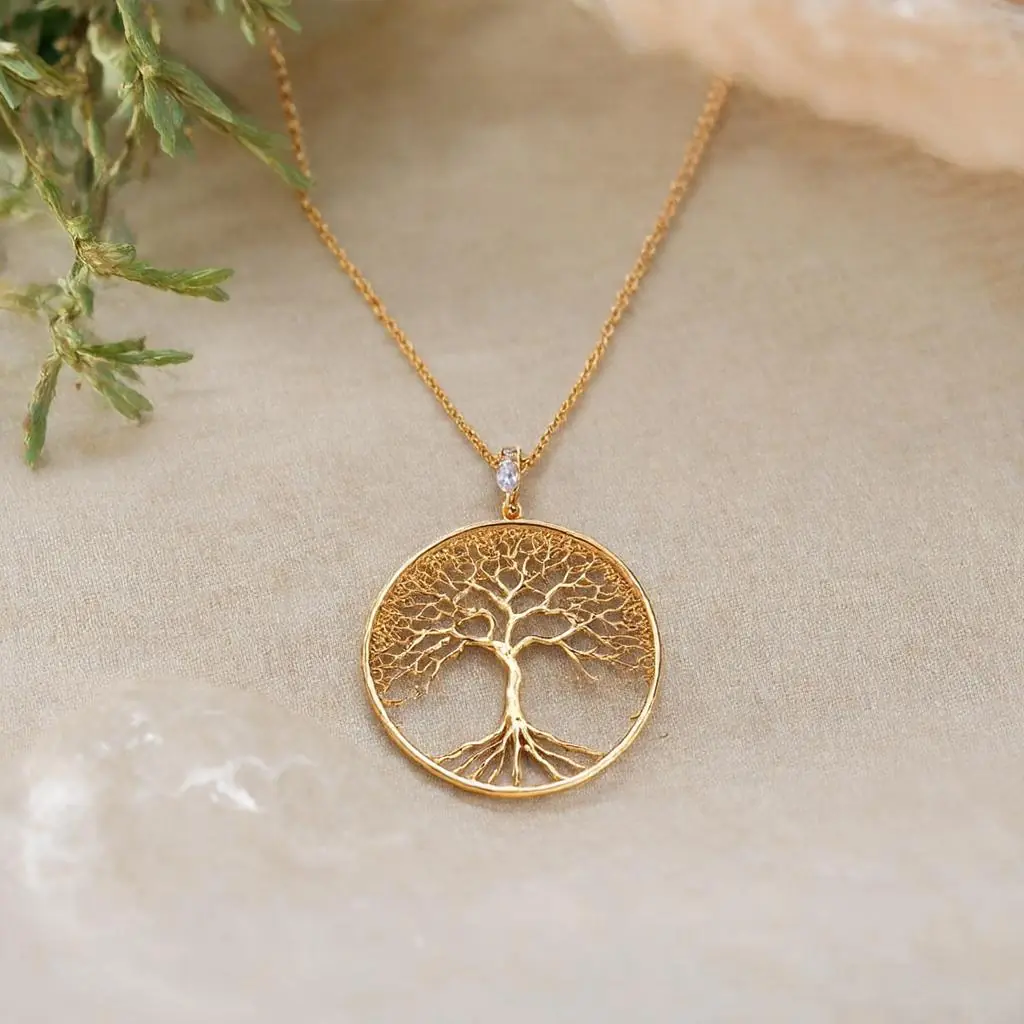
Some jewelry trends come and go fast. Others stick because they speak to something deeper. That’s exactly what’s happening with Tree of Life jewelry right now. For spiritually conscious shoppers, a Tree of Life pendant is not just another accessory to layer with a white tee or slip dress. It carries meaning. It feels personal. And in a time when more people want what they wear to reflect their values, energy, and intentions, that matters.
The Tree of Life has become a modern spiritual staple because it brings together everything today’s intentional consumer is looking for: symbolism, beauty, versatility, and a sense of grounded calm. It fits naturally into quiet luxury styling, works effortlessly as everyday talisman jewelry, and offers a softer, more nature-rooted alternative to louder trend pieces.
There’s also something comforting about its message. The image of roots reaching down while branches stretch upward mirrors the way many people are trying to live now: staying grounded while still growing. Whether someone is focused on healing, protection, self-discovery, or simply creating more meaning in daily routines, the Tree of Life feels like a wearable reminder of that journey.
A Symbol With Deep Roots Across Spiritual Traditions
Part of the Tree of Life pendant’s appeal is that its meaning is rich, layered, and shared across different traditions. That gives it a timeless quality. It doesn’t feel tied to one fleeting aesthetic moment. It feels ancient, universal, and still incredibly current.
In Norse tradition, the sacred world tree, often associated with Yggdrasil, represents the structure of existence itself. It links different realms and holds together the worlds above, below, and in between. Spiritually, that makes tree symbolism feel powerful for people seeking connection, resilience, and inner stability. A pendant inspired by this idea can feel like a reminder that even during change, there is a deeper order holding everything together.
In Celtic traditions, sacred trees were often associated with wisdom, strength, ancestry, and the bond between the earth and the spiritual world. The Tree of Life symbol commonly appears with intertwining branches and roots, emphasizing balance. What happens above is reflected below. Growth is supported by depth. This symbolism resonates strongly with anyone doing inner work, building healthier routines, or trying to align their outer life with their inner values.
Beyond Norse and Celtic references, the Tree of Life appears across broader mystical and spiritual traditions as a symbol of life force, renewal, fertility, protection, and connection to nature. That broad meaning is part of why it has become so wearable for modern audiences. It can represent family, spiritual awakening, grounded energy, or personal transformation depending on what the wearer needs it to mean.
And that flexibility matters. Today’s spiritually minded consumer often isn’t looking for rigid rules. They’re looking for symbols that feel intuitive and personal. The Tree of Life offers exactly that: ancient meaning with room for individual interpretation.
Why Spiritually Conscious Consumers Are Choosing Symbolic Jewelry
The rise of Tree of Life pendants also reflects a bigger shift in how people shop for jewelry. More consumers want pieces that do more than decorate. They want jewelry that supports intention, marks personal milestones, or becomes part of a daily ritual.
That could mean putting on a pendant in the morning as a reminder to stay calm and centered. It could mean choosing a symbolic piece during a season of change, like starting a new job, moving homes, becoming a parent, or recommitting to self-care. It could also simply mean preferring jewelry that feels emotionally significant rather than purely trend-driven.
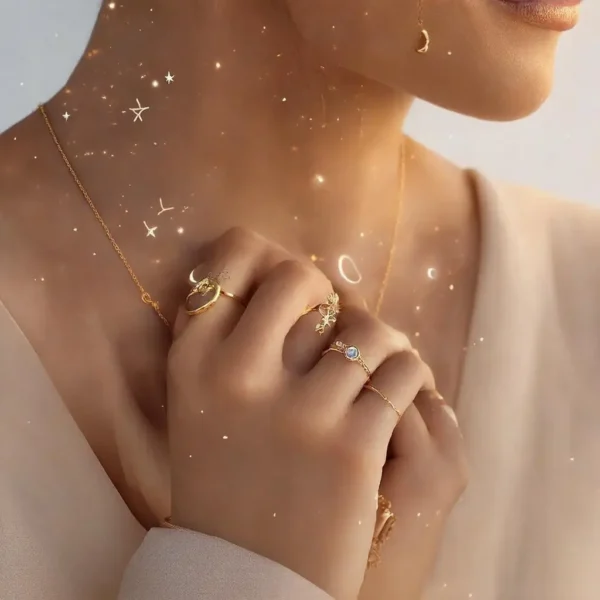
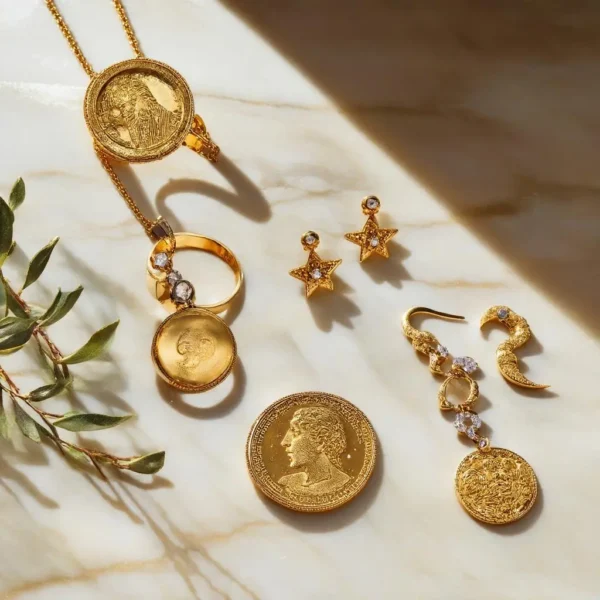
This is where intention-driven accessories have really found their place. Symbolic pendants, birthstone charms, zodiac rings, and protective talismans all speak to a desire for deeper connection. People want wearable meaning. They want pieces that reflect energy as much as style.
The Tree of Life fits naturally into that world because it touches several emotional needs at once. It can symbolize protection for someone craving security. It can represent grounding for someone dealing with stress or overstimulation. It can signal growth for someone entering a new chapter. And for nature-loving minimalists, it offers spiritual symbolism without feeling flashy or overly ornate.
There’s also a quiet luxury angle here. Spiritually conscious professionals often want their jewelry to feel refined, understated, and intentional. A Tree of Life pendant checks all those boxes. It has presence, but it doesn’t need to shout. It can be deeply meaningful while still looking polished and elevated enough for everyday wear.
The Modern Styling Appeal: Ritual, Layering, and Everyday Wear
One reason Tree of Life jewelry is becoming such a staple is that it works beautifully with modern styling habits. Today, people aren’t only buying jewelry for special occasions. They’re building personal collections of pieces they can wear daily, layer easily, and connect with emotionally.
A Tree of Life pendant slides right into that routine. Worn alone, it gives a clean, symbolic focal point that feels calm and elegant. Layered with shorter chains, zodiac medallions, or birthstone accents, it becomes part of a more customized ritual look. It’s one of those rare motifs that can feel both earthy and elevated at the same time.
That balance makes it especially appealing for those who lean toward unbranded quiet luxury. Instead of logos or flashy statement pieces, they’re choosing jewelry with story, symbolism, and craftsmanship. Ancient-inspired motifs like the Tree of Life feel meaningful without looking overdone. They communicate intention in a much subtler way.
It also pairs well with the current movement toward ritual styling. More people are curating everyday accessories the same way they curate skincare, journaling habits, or wellness practices. Jewelry becomes part of how they set the tone for the day. A pendant chosen for grounding, protection, or emotional clarity becomes more than an outfit finisher. It becomes part of a personal practice.
And because the Tree of Life is such a versatile symbol, it works across ages and occasions. It can feel like a thoughtful gift for a parent, a meaningful everyday piece for a working professional, or a gentle spiritual token for someone going through a big life shift. That wide emotional range is a big reason it continues to gain traction.
Why This Symbol Is Here to Stay
The Tree of Life is becoming a modern spiritual staple because it meets the moment perfectly. It connects ancient wisdom with current lifestyles. It offers beauty without emptiness, symbolism without rigidity, and elegance without excess.
For today’s intentional consumer, that combination is hard to ignore. People want jewelry that aligns with who they are and how they want to feel. They want pieces that support a sense of calm, growth, connection, and purpose. The Tree of Life does all of that in one simple, powerful symbol.
It reminds us to root deeply, grow steadily, and stay connected to something larger than ourselves. In a fast-moving world, that kind of message feels less like a trend and more like a necessity.
That’s why the Tree of Life pendant is not just having a moment. It’s becoming part of the everyday spiritual wardrobe: a modern talisman for people who want their jewelry to feel as meaningful as it looks.