Jewelry has always meant something. A ring can mark a commitment, a necklace can become a signature piece, and a bracelet can carry a memory long after the moment has passed. But today, jewelry is doing even more. It is becoming a way for people to express identity, values, intention, and even lifestyle choices all at once.
That shift is changing the global jewelry market in a big way. More shoppers are no longer looking for pieces that are simply pretty or trendy. They want jewelry that feels personal. They want something connected to their story, their energy, their milestones, or the people they love. That is why customized jewelry is seeing such strong demand across categories.
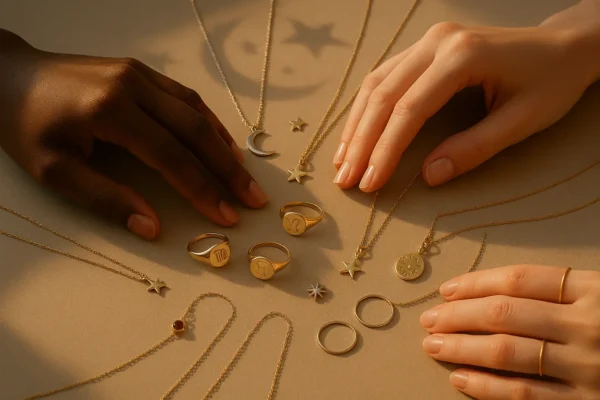
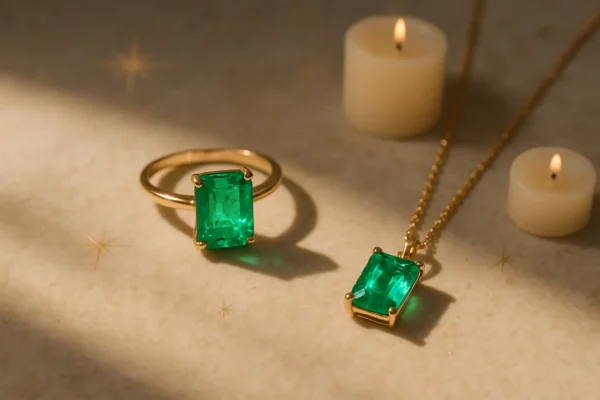
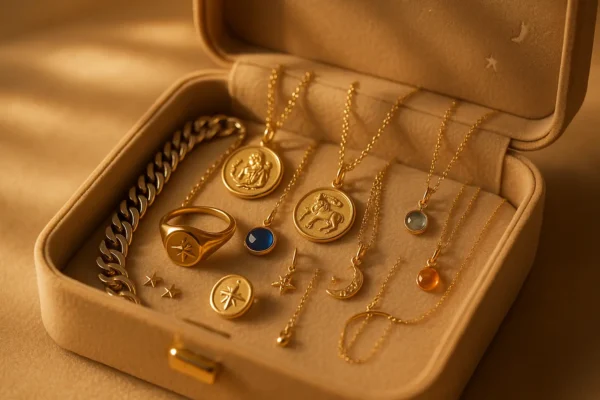
Birthstone pieces are a perfect example. They offer color, symbolism, and emotional meaning in one wearable design. Engraved jewelry is growing for the same reason. Whether it is initials, a meaningful date, a zodiac sign, or a word that keeps someone grounded, personalization turns an accessory into something much more intimate. Symbolic talismans are also gaining momentum as people look for jewelry that represents protection, confidence, luck, healing, or self-discovery.
This is especially true for today’s intentional consumers. They are not just buying for appearance. They are buying for connection. A carefully chosen ring or pendant can reflect personality, spiritual beliefs, emotional goals, or everyday rituals. And because people are becoming more thoughtful about what they wear, the future clearly belongs to jewelry that says something real.
Ethical Materials and Better Craftsmanship Matter More Now
Personal meaning is only one side of the story. The other major force shaping the future of self-expression is ethics.
Modern shoppers, especially younger ones, are asking bigger questions before they buy. Where did this come from? Who made it? What materials were used? Will it last? Those questions are pushing the jewelry industry toward more responsible practices, and brands that can answer them clearly are earning more trust.
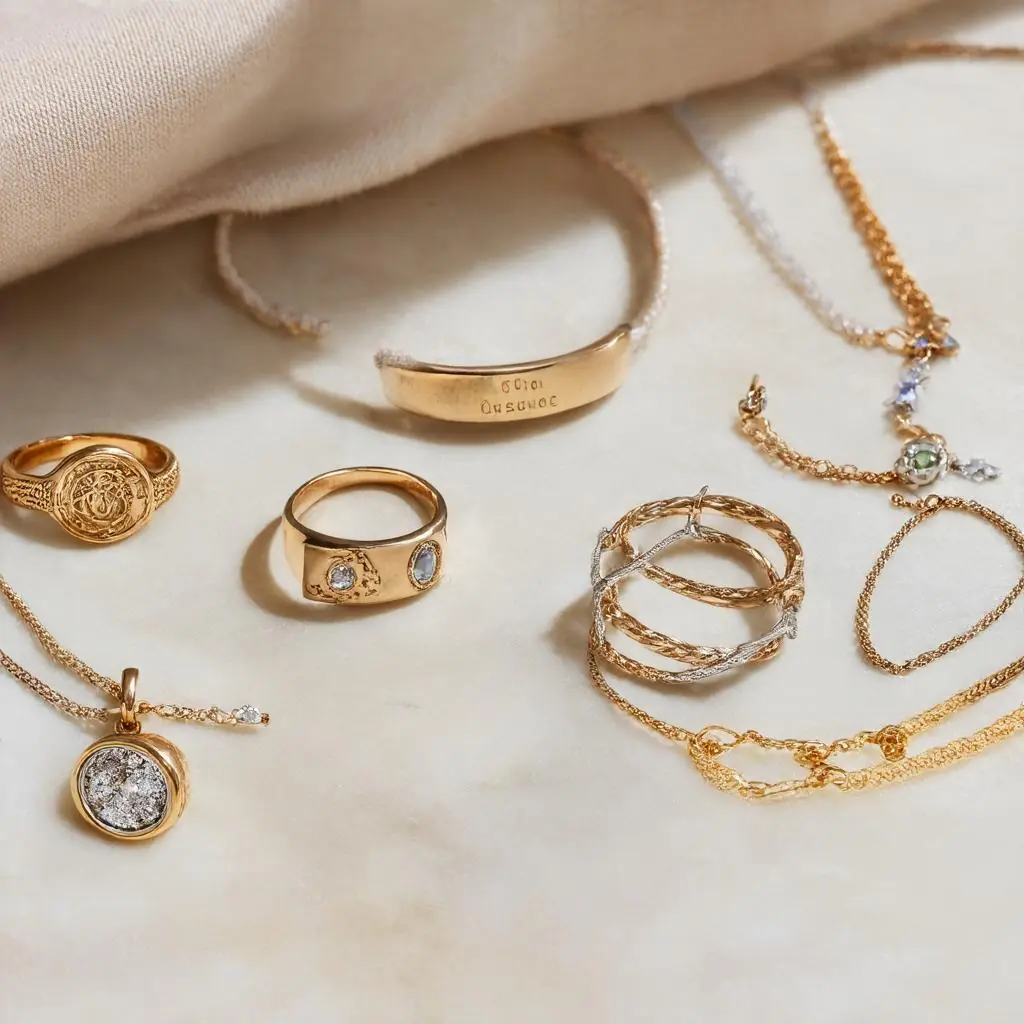
Recycled metals are becoming more important because they offer a lower-impact alternative without sacrificing beauty. Materials like recycled gold plating and responsibly sourced sterling silver appeal to shoppers who want luxury without unnecessary waste. Durable options such as medical-grade stainless steel are also gaining attention because they support longer wear, resist tarnishing, and make jewelry more practical for daily life.
That durability matters more than ever. People want pieces they can wear on repeat, not accessories that fade quickly or lose their finish after a short time. Everyday jewelry now has to do a lot: look elevated, feel meaningful, and hold up to real-world use. This is one reason why accessible luxury is such a powerful category right now. Consumers want quality, but they also want value. They are willing to invest in pieces that feel special if those pieces are made well and priced fairly.
Transparent sourcing is another major factor. Ethical production is no longer a niche concern. It is becoming part of mainstream buying behavior, particularly among younger shoppers who often connect personal style with social responsibility. For them, self-expression is not just about how something looks. It is also about whether a purchase reflects their beliefs.
Digital Shopping Is Redefining How People Choose Jewelry
Another huge reason personalized, ethical jewelry is shaping the future is simple: it is easier than ever to discover and shop for it online.
Digital convenience has changed customer expectations across every industry, and jewelry is no exception. People want to browse collections from their phone, compare styles quickly, read reviews, and feel confident before they buy. This has created major opportunities for jewelry brands that understand how to make online shopping feel intuitive and trustworthy.
Virtual try-on tools are part of that shift. They help customers picture how a piece might look in real life, which is especially useful for rings, earrings, layered necklaces, and other style-driven purchases. Detailed product images, clear material information, and strong customer reviews also help bridge the gap between online browsing and confident buying.
For younger consumers, this digital-first experience is often the starting point, not the backup plan. They discover brands through social platforms, save products they connect with emotionally, and often make decisions based on both aesthetics and alignment with brand values. A piece that combines symbolism, quality, and ethical production has a stronger chance of standing out in a crowded feed.
Convenience also supports customization. It is now much easier for shoppers to order engraved designs, select birthstones, choose zodiac-inspired styles, or build layered looks that feel personal. In other words, technology is not replacing the emotional side of jewelry. It is making that emotional connection easier to access.
Men’s Jewelry, Gifting, and Meaningful Everyday Wear Are Driving Growth
The future of jewelry is also expanding in who it speaks to. For a long time, many jewelry conversations focused heavily on women’s fashion. That is changing fast. Men’s jewelry is growing, and not just in classic categories like watches or wedding bands. More men are exploring rings, chain necklaces, bracelets, signet styles, and symbolic pieces that reflect personality and purpose.
This matters because it shows how self-expression through jewelry is becoming more inclusive. Men are increasingly open to pieces that carry meaning, whether that means a minimalist bracelet for daily wear, a protective talisman, a birthstone detail, or a ring that feels grounding and understated. The rise of unbranded quiet luxury also fits perfectly here. Many shoppers want refined, versatile jewelry that feels personal without being flashy.
Gifting remains another powerful driver in the market. Jewelry continues to hold a unique place in milestone moments: birthdays, anniversaries, graduations, promotions, new beginnings, and family celebrations. Personalized details make those gifts even more memorable. A custom engraving or symbolic gemstone can transform a beautiful object into a lasting emotional keepsake.
Parents are also part of this growing demand, especially when buying meaningful jewelry for children. Birthstone pieces, protective symbols, and sentimental designs carry a sense of care that goes beyond style. These purchases often sit at the intersection of beauty, emotion, and intention, which is exactly where the market is heading.
At the same time, more people are buying jewelry for themselves, not just waiting for special occasions. That self-purchase mindset reflects a bigger cultural shift toward self-care and intentional living. Jewelry is increasingly seen as part of a daily ritual, something that can offer comfort, confidence, focus, or a reminder of personal goals. When a piece feels both wearable and emotionally significant, it becomes much more than an accessory.
The Brands Best Positioned for the Future Understand Meaning, Quality, and Access
So, what does all of this tell us about where the jewelry market is heading?
It tells us that the future belongs to brands that understand modern self-expression as something layered. Today’s customers want jewelry that looks good, lasts well, feels personal, and aligns with their values. They want symbolism without sacrificing style. They want ethical materials without paying unreachable prices. They want digital convenience, but they also want emotional relevance.
That combination is where the strongest opportunities are. Brands that can offer customized pieces like birthstones, engravings, and talismans; use durable, responsible materials; and create an easy, trust-building online experience are in a strong position. Add accessible pricing and inclusive design, and the appeal becomes even wider.
This is especially true for consumers who see jewelry as part of a bigger lifestyle. For spiritually conscious professionals, thoughtful gifters, parents, and self-care advocates, jewelry can represent identity, intention, and everyday empowerment all at once. It can be a quiet statement of values. A reminder of where someone has been or where they are headed. A small but meaningful piece of daily life.
That is why personalized, ethical jewelry is not just a passing trend. It reflects a deeper change in what people want from the things they wear. The future of self-expression is not louder for the sake of being noticed. It is more intentional, more meaningful, and more connected to the person wearing it. And jewelry that can deliver on that will continue to shape the market for years to come.