Even when the economy feels unpredictable, jewelry has a way of staying meaningful. People may pause on impulse purchases, but they still invest in pieces tied to life’s biggest emotional moments: engagements, anniversaries, graduations, birthdays, promotions, new babies, fresh starts, and family heirlooms.
That emotional core is why jewelry keeps moving through economic cycles. It is rarely “just an accessory.” A ring can mark a promise. A birthstone necklace can feel like protection. A bracelet can become a daily reminder to stay grounded, focused, or open to abundance. In 2026, that meaning is becoming even more important.
U.S. shoppers are moving toward jewelry that feels personal, useful, and aligned with their values. The new luxury is not about loud logos or trend-chasing. It is about quiet, intentional pieces that say something real about who you are and what you are calling in.
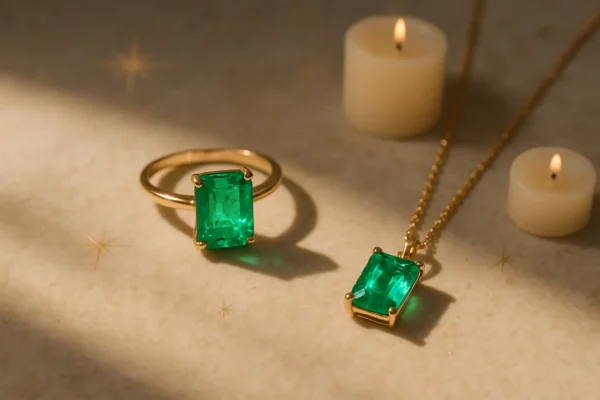
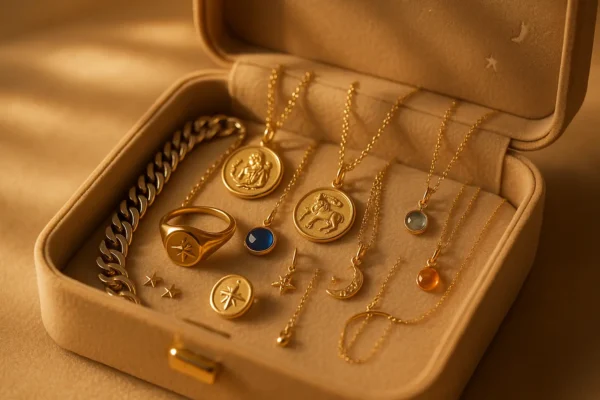
That is where intention-driven jewelry comes in: zodiac charms, birthstone talismans, amulet signet rings, symbolic chains, protective anklets, and meaningful stacking sets. These pieces work because they connect style with ritual. You are not only putting on jewelry; you are choosing an energy for the day.
For intentional consumers, this shift is powerful. It means you can build a jewelry wardrobe around your actual life: career goals, emotional balance, family protection, self-expression, romance, spiritual growth, or simply feeling like your most confident self.
2. The biggest 2026 style shifts: simple, layered, mixed, and inclusive
The strongest jewelry trends for 2026 are easy to wear but still full of personality. Think pieces that can move from work to dinner, from school pickup to date night, from a big meeting to a quiet self-care Sunday.
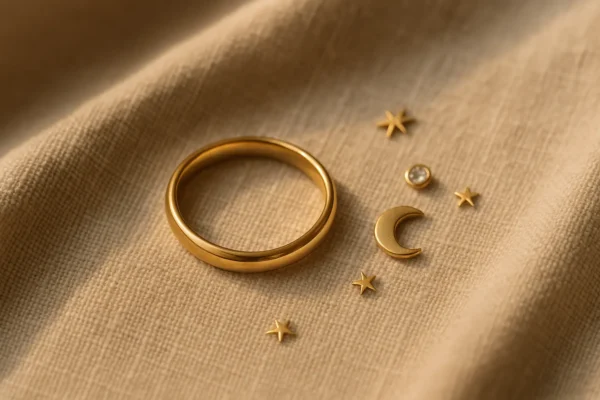
Minimalist stacking is one of the biggest trends, especially for people who like polished, low-effort style. Instead of one statement piece doing all the work, the look is built through small, meaningful layers. A slim zodiac ring, a birthstone band, a delicate chain bracelet, and tiny huggie earrings can create a whole personal language without feeling overdone.
For Virgos and other detail-loving minimalists, this is especially appealing: clean lines, balanced proportions, and pieces that feel intentional rather than random. But minimalist stacking works for everyone because it is flexible. You can keep it soft and subtle for the office, then add a bolder charm or textured cuff at night.
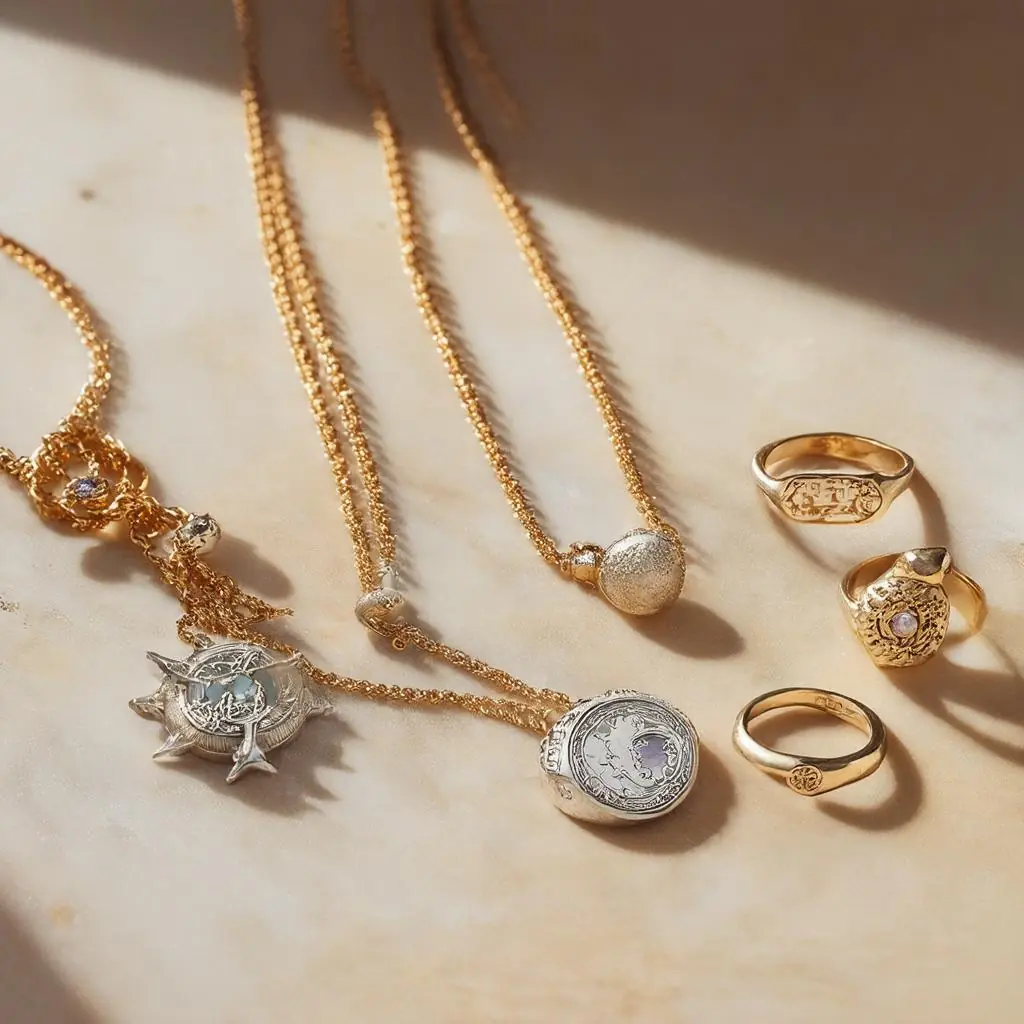
Mixed metals are also having a major moment. Gold and silver no longer need to be separated. Rose gold, oxidized finishes, stainless steel, and gold-plated pieces can all live together when the styling feels deliberate. The trick is to repeat each tone at least twice. For example, pair a gold zodiac pendant with gold hoops, then add a silver chain and a silver signet ring. Now it looks styled, not accidental.
Layered chains continue to dominate because they create instant depth. The 2026 version is less cluttered and more symbolic. Instead of layering random necklaces, shoppers are choosing one anchor piece, like a talisman or amulet, then building around it with different lengths and textures. A short chain might represent clarity, a mid-length birthstone charm might represent protection, and a longer pendant might connect to a bigger goal like career growth or wealth luck.
Gender-inclusive silhouettes are another key shift. Jewelry is becoming less boxed in by old categories. Signet rings, chain necklaces, cuffs, studs, and beaded bracelets are being styled by everyone. This is great news for people who want jewelry to feel like self-expression, not a rulebook.
The best 2026 pieces are wearable across identities, ages, and aesthetics. A sleek black stone bracelet can feel grounding on anyone. A celestial pendant can be soft, bold, romantic, or minimal depending on how it is styled. A birthstone ring can be a child’s keepsake, a parent’s protection piece, or a professional’s daily reminder of purpose.
3. The new shopping journey: digital confidence plus real-life experience
Buying jewelry online used to feel risky. Will the ring fit? Will the chain sit right? Is the stone color accurate? Does the metal look cheap in person? In 2026, technology is making those questions easier to answer.
High-resolution imagery, videos, virtual try-on tools, size guides, customer photos, and detailed product descriptions are now part of the modern jewelry experience. For intentional shoppers, this is especially helpful because ritual jewelry is often personal. You are not just asking, “Is this pretty?” You are asking, “Does this feel like me?”
Virtual try-on can help you test proportions before buying. If you are planning a ring stack, you can compare band widths and see whether a signet ring should be the centerpiece or the accent. If you are layering necklaces, online visuals can help you choose chain lengths that will not tangle or compete. If you are buying a bracelet for daily grounding, sizing tools can help you find a fit that feels secure but comfortable.
At the same time, in-person experiences still matter. Touching the weight of a piece, checking clasp quality, seeing how a stone catches light, and confirming comfort can make a huge difference. The strongest path in 2026 is hybrid: browse online, narrow your options, use virtual tools, read reviews, then visit a store or pop-up when possible—or order from brands with clear sizing support and return policies.
This is especially important for ritual rings and everyday pieces. A talisman only becomes part of your daily rhythm if it feels good enough to wear often. If a ring pinches, a chain tangles, or earrings feel too heavy, the ritual breaks. Comfort is not a bonus; it is part of the intention.
4. Sustainability, materials, and how to shop smarter
Sustainability is no longer a niche request. U.S. jewelry buyers are increasingly looking for transparent sourcing, recycled metals, lab-grown stones, long-lasting materials, and lower-waste production. Intentional consumers want pieces that feel good emotionally and ethically.
That does not mean every piece has to be expensive. It means shoppers are paying closer attention to what they are buying, how it is made, and how long it will last. Recycled gold plating, sterling silver, stainless steel, oxidized copper, and lab-grown stones all have different benefits. The key is understanding what you are choosing.
Here is a simple checklist for evaluating ethical and sustainability claims:
- Does the brand clearly explain its materials? Look for specifics like recycled metals, 316L stainless steel, sterling silver, gold plating thickness, or lab-grown stones.
- Are sourcing claims transparent? Vague phrases like “eco-friendly” are not enough on their own. Better brands explain what that means.
- Is the piece built for long-term wear? Durable materials reduce waste because you are not replacing items constantly.
- Are care instructions provided? A brand that wants your jewelry to last will tell you how to protect it.
- Are customer reviews available? Reviews can reveal how pieces hold up after weeks or months of wear.
- Is packaging considered? Minimal, recyclable, or reusable packaging is a plus.
- Does the price make sense for the material? A very low price for “solid gold” should make you pause. Know what you are paying for.
It is also important to understand material differences before buying.
Solid gold is the most durable and valuable, but it is also more expensive.
Gold-plated jewelry has a layer of gold over another base metal, making it more accessible but requiring gentler care.
Gold vermeil usually means a thicker gold layer over sterling silver, depending on standards.
Sterling silver is classic and beautiful but can tarnish over time, though it can usually be polished.
Stainless steel, especially medical-grade 316L, is durable, affordable, and often a strong choice for everyday wear.
Hypoallergenic options matter if you have sensitive skin. Look for nickel-safe or medical-grade materials where possible.
Care is part of sustainability too. To extend product life, keep jewelry away from harsh chemicals, perfumes, pools, and heavy sweat when possible. Store pieces separately to prevent scratches and tangling. Wipe them after wear. Remove delicate or plated pieces before showering or sleeping. A little care can turn an affordable everyday piece into a long-term favorite.
Consumer education also helps protect you from counterfeits. Be cautious with listings that use luxury-style photos but provide almost no material details. Watch for copied designs, unrealistic discounts, unclear return policies, and reviews that seem generic. If you are buying intention-driven jewelry, authenticity matters—not just in brand name, but in materials, meaning, and craftsmanship.
5. Customization, ritual, and your 2026 buyer’s worksheet
Customization is where 2026 jewelry becomes deeply personal. More shoppers want co-designed pieces: engraved initials, meaningful dates, zodiac symbols, birthstones, protective motifs, angel numbers, mantras, or words connected to a specific goal.
This is perfect for anyone building a daily ritual. A ring engraved with “focus” can become your career anchor before meetings. A birthstone necklace can represent protection for a child or loved one. A zodiac pendant can remind you to lean into your natural strengths. A bracelet with a symbolic bead or charm can become a calming touchpoint during stressful moments.
The beauty of intention-driven jewelry is that it does not need to promise magic to be powerful. The ritual is in the repetition. You choose the piece, connect it to a purpose, and wear it as a daily reminder. Over time, it becomes part of your story.
If you are shopping in 2026, use this quick worksheet before buying:
1. Define your intention.
What do you want this piece to support? Career focus, confidence, calm, protection, love, family connection, abundance, healing, creativity, or a new beginning?
2. Choose your symbol.
Pick a motif that matches the intention. Zodiac signs for identity and timing. Birthstones for protection and personal connection. Signet rings for confidence. Celestial charms for guidance. Beads or textured pieces for grounding and touch-based comfort.
3. Pick a stacking strategy.
Decide whether the piece will stand alone or join a stack. For rings, mix one bold piece with slimmer bands. For necklaces, vary chain lengths. For bracelets, combine texture: chain, cuff, bead, or charm.
4. Verify materials and sourcing.
Check whether the piece is solid, plated, sterling silver, stainless steel, or another material. Look for recycled metals, lab-grown stones, transparent sourcing, and clear care instructions.
5. Test comfort with digital tools.
Use virtual try-on, sizing guides, product videos, and customer photos. For rings and bracelets, measure carefully. For necklaces, check length charts so the pendant lands where you want it.
6. Plan your timing.
Jewelry is naturally tied to celebrations. Birthdays, graduations, anniversaries, holidays, New Moon resets, Full Moon reflections, and personal milestones are all meaningful times to buy. Seasonal promotions can also help you invest in better pieces while staying budget-conscious.
In the end, the heartbeat of modern jewelry is storytelling. Trends will change, but the desire to mark our lives with beautiful objects is timeless. In 2026, the strongest pieces are the ones that blend style, sustainability, culture, and daily ritual.
Whether you are stacking minimalist rings, choosing a birthstone for protection, mixing metals for self-expression, or designing a talisman for your next chapter, the goal is the same: wear something that means something.