Every now and then, a royal jewelry moment cuts through the noise. A historic diamond diadem appears at a formal event, photos spread fast, and suddenly everyone is zooming in on the details: the silhouette, the stones, the symbolism, the history. It’s not just “pretty jewelry.” It feels like a message.
That’s exactly why diadems still have power.
Historically, diadems were never random accessories. They were worn to signal status, lineage, ceremony, protection, and identity. A diamond headpiece could represent family heritage, political continuity, divine favor, or a milestone moment. Basically, it was jewelry with a job.
And that idea feels surprisingly modern.
Today’s jewelry lovers—especially spiritually conscious, style-aware shoppers—aren’t just looking for sparkle. They’re looking for pieces that mean something. Jewelry has become part self-expression, part ritual, part personal reminder. A ring might represent a career breakthrough. A birthstone necklace might feel like protection. A pair of celestial earrings might become a daily confidence charm.
So when a historic diadem re-enters the spotlight, it doesn’t just revive interest in royal fashion. It reminds us that symbolic jewelry has always been one of the most powerful ways to tell a story without saying a word.
Why celestial jewelry borrows so much from ceremonial design
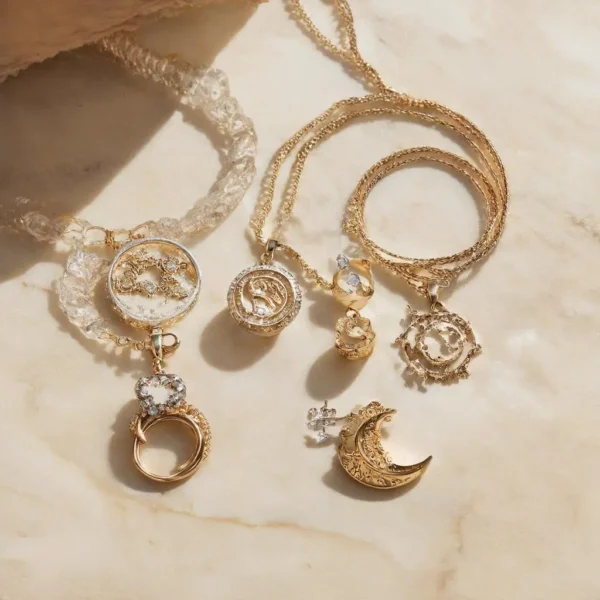
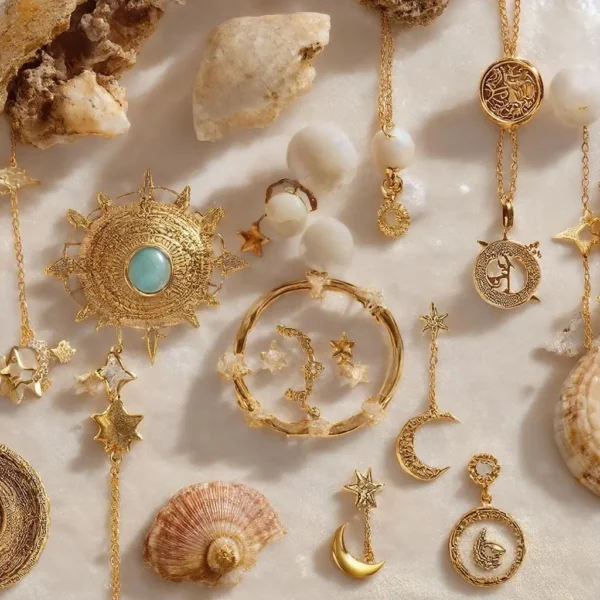
Look closely at old diadems and you’ll notice something familiar: stars, sunbursts, crescents, floral rays, arches, halos, and symmetrical patterns that feel almost cosmic. Many historic headpieces were designed to frame the face like a constellation or crown the wearer with light.
That’s one reason celestial jewelry feels so timeless. It isn’t a passing trend invented by social media. Star and moon motifs have been used for centuries because they tap into something universal: guidance, fate, protection, femininity, ambition, and the mystery of what’s beyond us.
Modern celestial jewelry takes those grand ceremonial ideas and makes them wearable for everyday life. Not everyone is heading to a palace dinner in a diamond diadem, obviously. But a star pendant, zodiac ring, birthstone charm, or moon-inspired earring can carry a similar feeling in a much more personal way.
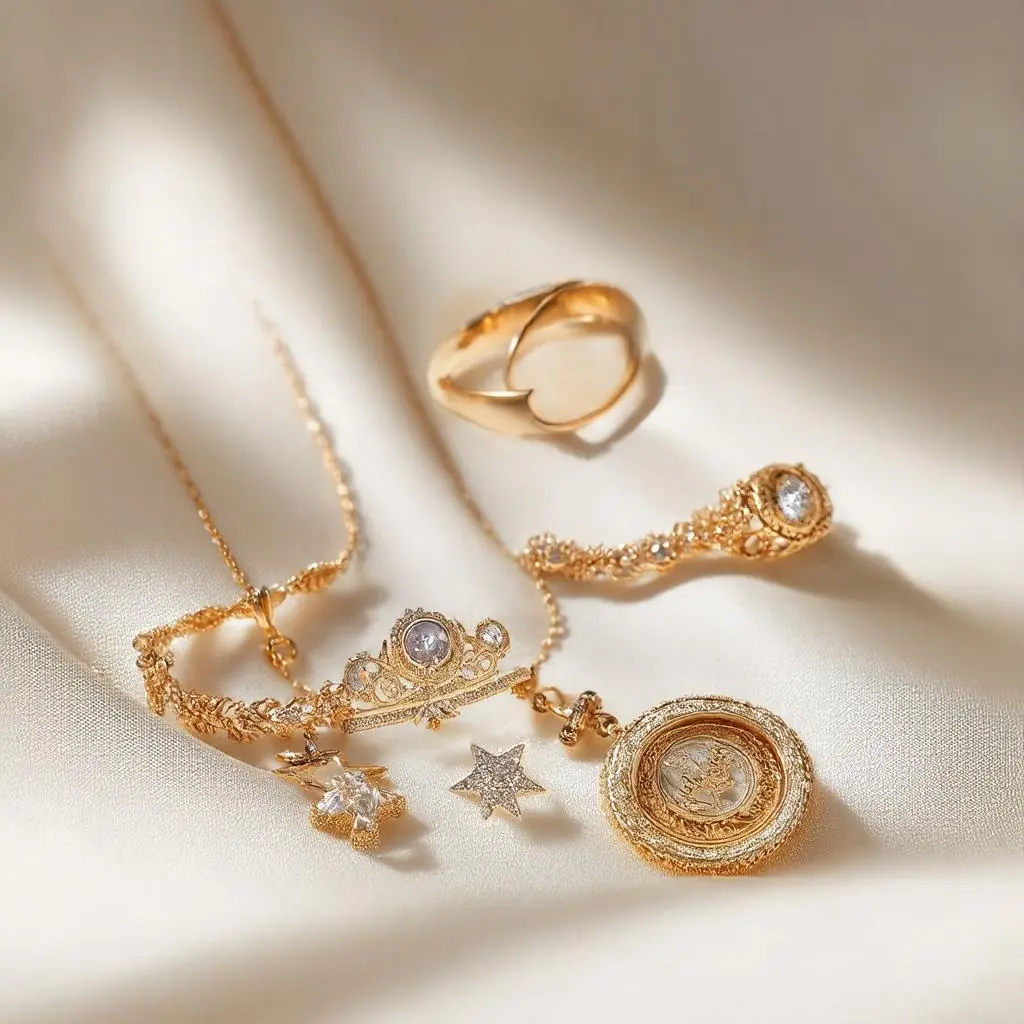
The silhouette matters too. Regal shapes—arched settings, signet-style rings, drop earrings, layered necklaces, and statement cuffs—echo the structure of historic jewels without feeling costume-like. They bring that “heirloom energy” into a modern wardrobe.
Think of it this way: a diadem is dramatic, public symbolism. A celestial talisman is intimate, personal symbolism. Both are about meaning. Both are about identity. Both say, “This piece represents something.”
That’s why the connection between historic ceremonial jewelry and modern zodiac-inspired design feels so natural.
The rise of the “investment-feeling” piece
A big reason historic diadems fascinate people is that they feel permanent. They survive decades, sometimes centuries. They move through generations. They hold stories. That sense of longevity is influencing how people shop for jewelry now.
More shoppers are moving away from disposable trends and toward pieces that feel thoughtful, durable, and emotionally valuable. Not necessarily expensive in the old-school luxury sense, but valuable because they have purpose.
That’s where the idea of “accessible luxury” really hits. You don’t need a vault full of antique diamonds to build a jewelry collection with meaning. You can choose pieces that feel intentional: a zodiac amulet that reflects your sign’s energy, a birthstone talisman tied to someone you love, a signet ring that gives quiet confidence, or a pair of celestial earrings that becomes your go-to ritual accessory before a big meeting.
Modern intentional consumers want jewelry that checks multiple boxes:
- It looks polished without screaming for attention.
- It feels personal instead of generic.
- It is made with durable, responsible materials.
- It can be worn daily, not just saved for special occasions.
- It carries emotional, spiritual, or symbolic meaning.
This is exactly why heirloom-inspired craftsmanship is trending. People want pieces that feel like they could become part of their story. Maybe not a royal archive kind of story—but a personal archive. The necklace you wore when you started a new chapter. The ring you touched whenever you needed grounding. The bracelet you gave your child as a birthstone protection piece.
That emotional layer is what separates meaningful jewelry from simple decoration.
From royal symbolism to everyday ritual
The most interesting thing about today’s celestial jewelry trend is how personal it has become. Historic diadems were often about public ceremony. Modern symbolic jewelry is more about private ritual.
You might put on a zodiac ring before a presentation because it reminds you of your strengths. You might wear a Dzi bead-inspired piece as a symbol of wealth luck or protection. You might choose a birthstone charm for your child because it feels like a small blessing they can carry. You might stack minimalist Virgo-style pieces because they match your need for calm, order, and quiet beauty.
That’s the modern version of ceremonial dressing. It’s not about dressing for a court. It’s about dressing for your own energy.
And this is where brands like Rochas Jewelry fit naturally into the conversation. The appeal isn’t just that a piece looks celestial—it’s that it feels aligned with the wearer’s intention. A charm, amulet, signet, or talisman can become part of a daily practice: setting goals, grounding anxiety, inviting abundance, honoring identity, or marking a transition.
The best part? These pieces don’t have to be loud. In fact, a lot of today’s most desirable symbolic jewelry leans into quiet luxury: clean shapes, meaningful stones, subtle zodiac references, and refined finishes that work with everyday outfits. It’s jewelry for people who want depth without needing to explain everything.
Historic diadems remind us that jewelry has always carried power. Modern celestial pieces simply bring that power closer to daily life.
So yes, a diamond diadem may belong to the world of royal ceremonies, archival collections, and once-in-a-generation appearances. But the reason it still captures attention is deeply relevant now: we are all drawn to objects that hold meaning.
That’s why celestial jewelry continues to rise. It gives people a way to wear their story, their hopes, their rituals, and their identity—with just enough sparkle to feel magical.