If you love jewelry that means something, you’ve probably noticed a big shift lately. People are no longer shopping only for sparkle—they’re shopping for intention, longevity, and values. That’s especially true in symbolic jewelry, where a ring, pendant, or bracelet is meant to do more than complete an outfit. It might represent protection, confidence, love, abundance, healing, or a fresh chapter.
That’s where responsible luxury comes in. Instead of treating ethics as a trendy extra, more buyers now see it as part of the whole ritual. If a piece is supposed to support your energy, it makes sense to want materials that feel aligned with care, transparency, and lasting quality too.
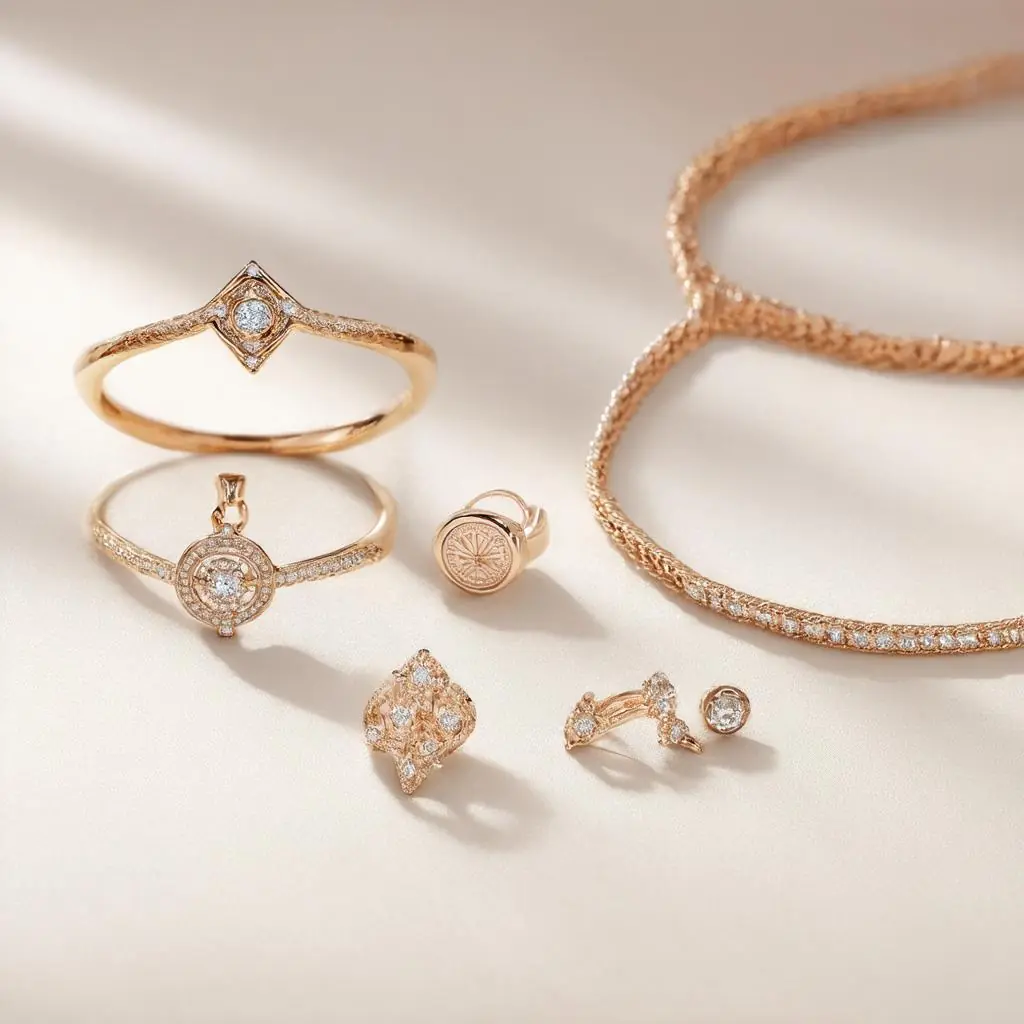
One of the biggest changes in this space is the rise of certified lab-grown diamonds set in 14–18K gold. Lab-grown diamonds offer the same visual beauty and structure people want from a fine jewelry stone, but they appeal to modern shoppers because they bring more traceability and often better value. For intentional consumers, that matters. You can choose a meaningful piece without feeling like you have to compromise between beauty, symbolism, and responsibility.
At the same time, sustainable metals are opening the door to more accessible options for everyday wear. Recycled-gold plating over sterling silver and medical-grade stainless steel are becoming go-to choices for people who want tarnish resistance, comfort, and a polished look without stepping into high-maintenance luxury. That’s especially useful when your jewelry isn’t just for special occasions—it’s part of your daily ritual.
In other words, ethical shine is no longer niche. It’s the new standard for people who want their jewelry to look good, feel personal, and fit into a more conscious lifestyle.
Lab-grown diamonds and 14–18K gold: why this combination works
For milestone jewelry, talismanic rings, and future heirlooms, lab-grown diamonds in 14–18K gold have become a seriously smart choice. The appeal is pretty clear: you get fine-jewelry presence with a more modern, transparent approach.
First, let’s talk about the diamonds. Certified lab-grown diamonds are real diamonds in composition and appearance. What makes them especially attractive in symbolic jewelry is that they pair emotional value with practical value. If you’re choosing a stone for a protection amulet, a zodiac signet, a manifestation ring, or a celebration piece, you want something that feels elevated and enduring. Lab-grown diamonds can deliver that while often making higher-quality stones more accessible within budget.
Then there’s the gold setting. Pieces in 14K or 18K gold bring a sense of permanence that works beautifully for jewelry tied to life transitions, intentions, or legacy. A talisman meant to celebrate a career breakthrough, a birthstone pendant for a child, or a symbolic ring marking a new beginning all feel more grounded when made in materials designed to last.
The difference between 14K and 18K often comes down to lifestyle and preference. 14K gold is a great fit for people who want durability for regular wear. 18K gold offers a richer gold content and can feel a little more luxe, which makes it especially appealing for milestone or keepsake pieces. Neither is automatically “better”—it’s about how you plan to wear the piece and what kind of emotional weight it carries.
And if you’re shopping responsibly, certification matters. Look for clear documentation and transparent product details rather than vague claims like “eco-friendly” or “conflict-free” with no backup. Credible sellers should be able to tell you exactly what the stone is, what the metal is, and how the piece is made. A good rule is simple: if a brand can’t explain its materials clearly, keep looking.
Gold tones have energy too: yellow, rose, and white
Color changes everything in symbolic jewelry. The stone may be the focal point, but the tone of the metal often shapes the emotional vibe of the whole piece. This is one of the most overlooked parts of choosing a talisman, and honestly, it can make a huge difference.
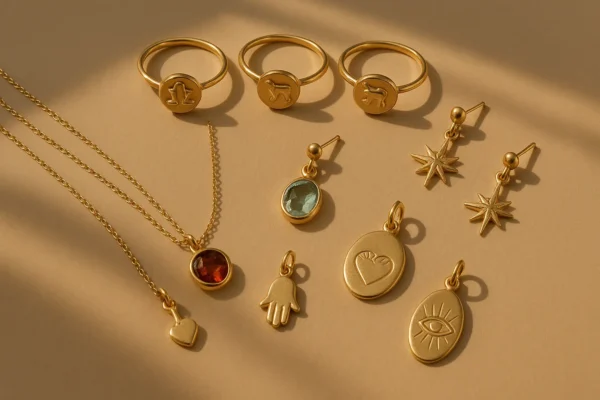
Yellow gold tends to feel classic, grounded, and connected to heritage. It has warmth and a timeless quality that works beautifully for pieces tied to ancestry, tradition, protection, and abundance. If your intention for 2026 is to build a stronger foundation—think home energy, security, family, legacy, or steady wealth—yellow gold often feels naturally aligned. It gives symbolic pieces an old-soul, enduring quality.
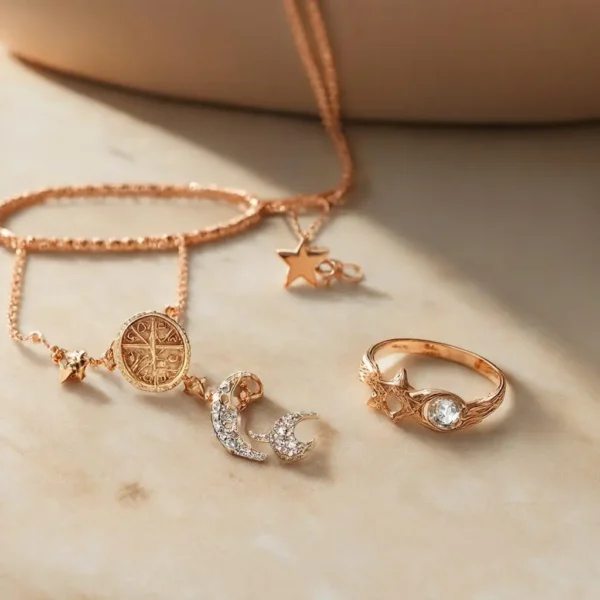
Rose gold is softer and more intimate. It’s often the tone people gravitate toward when the intention is love, emotional healing, compassion, self-worth, or closeness. It works especially well for gifts, romantic symbolism, and pieces meant to support inner peace or heart-centered energy. If 2026 feels like a year for reconnecting with yourself, deepening relationships, or moving through life more gently, rose gold can amplify that mood.
White gold has a brighter, cooler, more modern feel. It reads clean, polished, and contemporary, which makes it perfect for intentions connected to clarity, focus, reinvention, and ambition. If you’re entering 2026 with a mindset around career growth, sharper boundaries, fresh vision, or minimalist elegance, white gold often fits beautifully. It has that crisp, luminous look that pairs well with modern symbolic design.
This doesn’t mean you have to choose your jewelry like a horoscope test. But if you think of jewelry as an extension of your intention, then metal tone becomes part of the story. Ask yourself: do I want this piece to feel rooted, romantic, or radiant? That answer will often point you toward the right gold tone faster than trend reports ever could.
How to shop ethically without overspending
Not every meaningful piece has to be solid gold with diamonds, and that’s actually great news. A huge part of responsible luxury is recognizing that everyday symbolic jewelry should be wearable, practical, and financially realistic too.
One of the best budget-friendly pathways is recycled-gold plating over sterling silver. This option gives you the look and emotional warmth of gold while using a precious-metal base that still feels elevated. It’s ideal for people building a ritual stack, testing out a new symbolic style, or adding intentional pieces they want to rotate often. If you love layered necklaces, zodiac charms, signet rings, or birthstone accents, this material route can give you a luxe feel at a more accessible price point.
Another strong choice is medical-grade 316L stainless steel. This is especially good for daily wear because it’s durable, low-maintenance, and known for holding up beautifully over time. If you want a piece that can keep up with your day—commuting, working, parenting, traveling, or just living a very full life—stainless steel is hard to beat. It’s also a favorite for people looking for tarnish-resistant jewelry that still feels sleek and intentional.
When you’re comparing options, check for a few basics:
- Clear metal descriptions, not just “gold” as a general term
- Transparent mention of plating, base metal, or steel grade
- Diamond or gemstone certification when applicable
- Care guidance that sounds realistic, not exaggerated
- Reviews that mention wearability, comfort, and long-term finish
Basically, credible brands don’t hide the details. They make it easy to understand what you’re buying and why it’s priced the way it is.
For many people, the smartest jewelry wardrobe is a mix: one or two fine pieces for major life moments, plus durable everyday pieces for constant wear and layering. That approach feels especially relevant for symbolic jewelry, because different intentions often call for different levels of permanence.
A simple decision guide for matching materials to intention in 2026
If you’re not sure where to start, keep it simple. The best material is the one that matches both your purpose and your lifestyle.
For daily protection or grounding:
Choose medical-grade stainless steel or recycled-gold plating over sterling silver. These are practical, comfortable, and easy to wear every day. They’re great for amulets, zodiac necklaces, fidget-friendly rings, and symbolic bracelets that become part of your regular routine. If your 2026 energy is about consistency, resilience, or stress relief, everyday durability matters.
For milestone celebration:
Go for certified lab-grown diamonds in 14K gold. This is a strong match for career wins, birthdays, anniversaries, major transitions, and intention-setting moments you want to honor with a more elevated piece. If your 2026 focus is growth, visibility, or stepping into a new chapter, this combination brings both symbolism and staying power.
For a generational keepsake:
Look at lab-grown diamonds or meaningful stones set in 18K gold, especially in a tone that reflects the emotion behind the piece. Yellow gold works beautifully for family legacy and abundance, rose gold for love and emotional connection, and white gold for a modern heirloom feel. If the piece is meant to be treasured for years or passed down, this is where long-term value and emotional depth come together.
And if you want to match your material to the energy you want to elevate in 2026, here’s an easy shortcut:
- Foundation, home, stability, abundance: yellow gold
- Love, softness, healing, intimacy: rose gold
- Clarity, ambition, reinvention, focus: white gold
- Daily strength, protection, practicality: stainless steel
- Flexible luxury, layered intention, accessible elegance: recycled-gold plating over sterling silver
The real beauty of ethical symbolic jewelry is that it lets you choose with more awareness. You’re not just picking what looks good in the moment. You’re choosing what fits your values, your budget, your routine, and the energy you want to carry forward.
And honestly, that’s what makes a piece feel magical in the first place. Not just the shine—but the alignment behind it.