Permanent jewelry has been everywhere lately, but its appeal goes deeper than “cute bracelet, no clasp.” At its best, permanent jewelry is a modern ritual: a custom-fitted bracelet, anklet, or delicate ring-like chain that you choose with intention, have fitted to your body, and wear daily as a quiet reminder of something that matters.
Maybe it marks a friendship that has survived every life era. Maybe it celebrates a birthday, a new job, a breakup you healed from, a move to a new city, or the moment you decided to start choosing yourself. Unlike traditional jewelry that you take on and off depending on the outfit, permanent jewelry becomes part of your everyday rhythm. You shower in it, work in it, travel with it, and catch little glimpses of it during ordinary moments.
That’s why it connects so naturally with the “Zodiac Ritual” mindset. Jewelry is no longer just decoration. It can be a wearable intention. A tiny daily anchor. A symbol you don’t have to explain to anyone unless you want to.
For spiritually-conscious professionals, self-care advocates, and lovers of quiet luxury, permanent jewelry offers something rare: it’s subtle, personal, and meaningful without being loud. It doesn’t need a logo. It doesn’t need to shout. It just stays with you.
Turning a simple chain into a personal talisman
The magic of permanent jewelry is in the customization. A clean gold or silver chain is beautiful on its own, but the right detail can turn it into something that feels almost like a personal prescription.
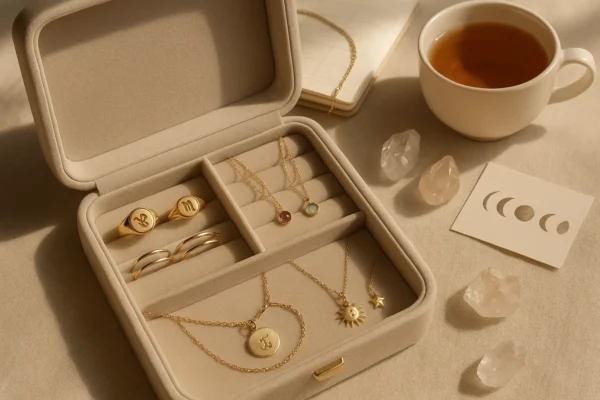
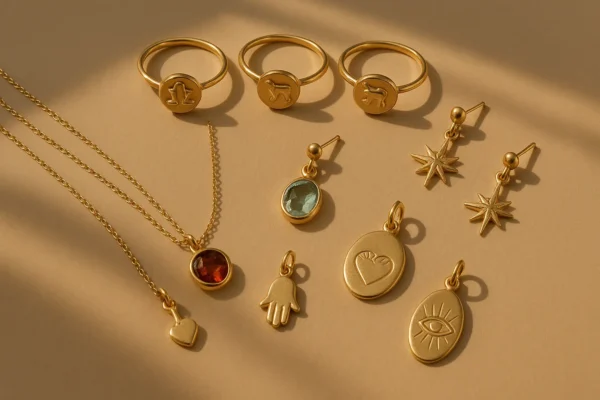
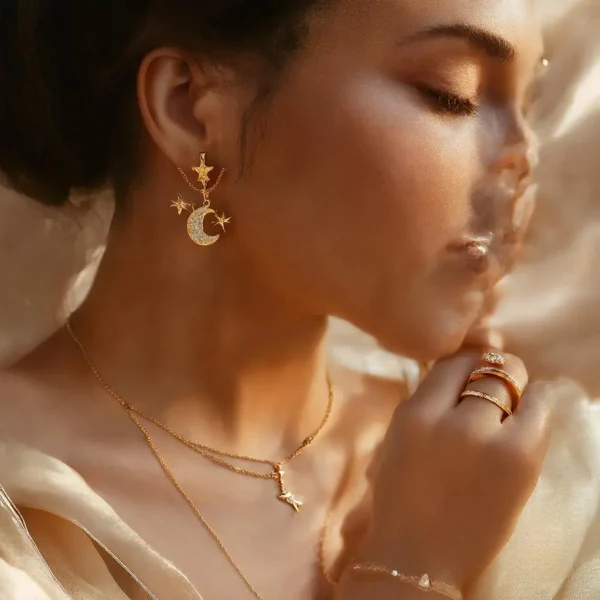
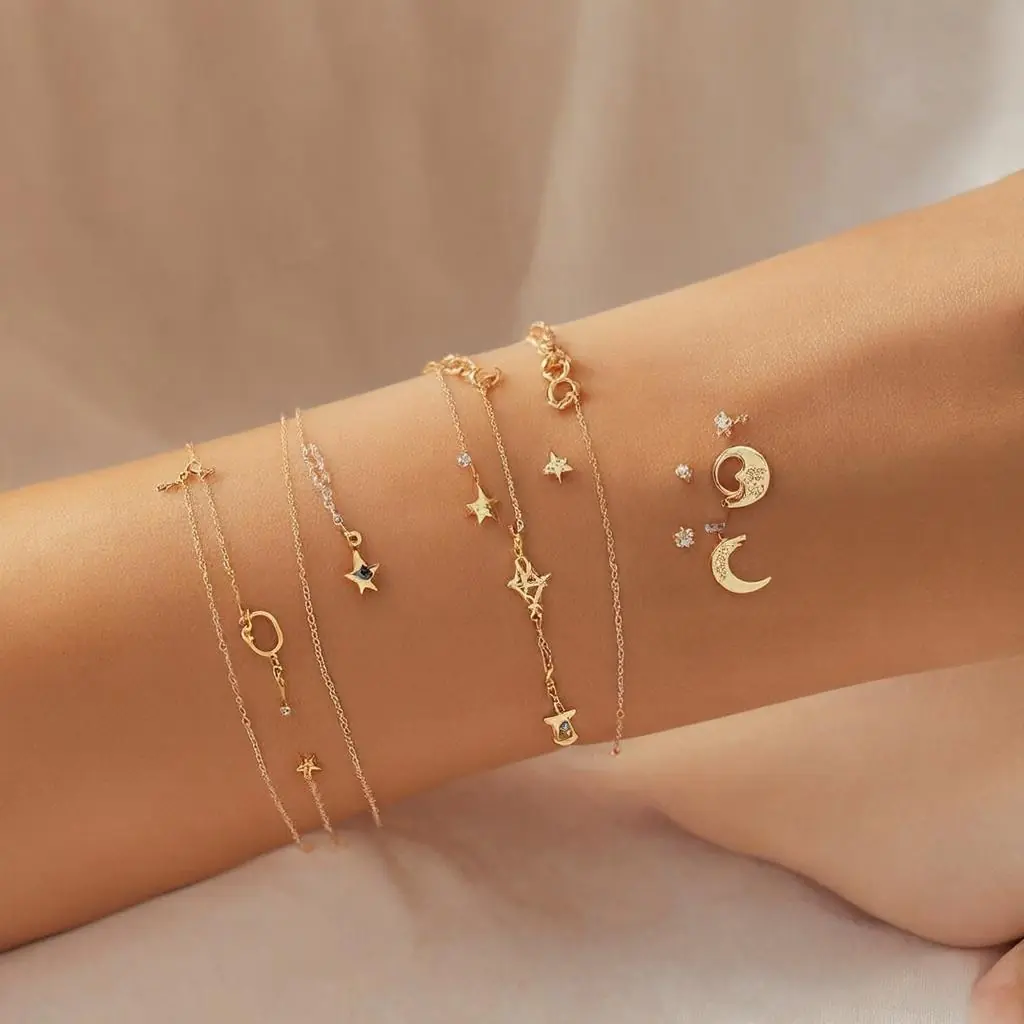
Charms are one of the easiest ways to give permanent jewelry a deeper purpose. A tiny heart can represent love or self-compassion. A star can symbolize guidance. A moon can reflect intuition, rest, and emotional renewal. An evil eye-style charm can feel protective. A key can represent a new chapter, a locked-in goal, or access to your next level.
Birthstones are another powerful option, especially for milestone pieces. A January garnet can symbolize grounding and protection. A May emerald can suggest growth and abundance. A September sapphire can carry wisdom and clarity. Parents may choose a child’s birthstone as a daily reminder of connection, while couples or best friends might add each other’s stones for a soft, sentimental layer.
Initials also make permanent jewelry feel intimate without being overly obvious. One letter can hold a whole story: a partner, a child, a lost loved one, a chosen name, or even your own initial as a reminder to come back to yourself.
And then there are zodiac symbols, which are especially perfect for intention-driven jewelry. An Aries might choose a piece to channel courage and bold “golden home” energy. A Virgo might lean into minimalist stacking with a clean, precise chain that feels polished and practical. A Pisces may choose a moon or water-inspired charm for intuition. A Capricorn may prefer a strong, understated piece that quietly says: discipline, legacy, ambition.
This is where permanent jewelry becomes more than an accessory. It becomes a talisman. Not because it magically fixes your life overnight, but because it gives your intention a physical form. Every time you see it, you remember what you’re building, protecting, healing, or calling in.
What to know before you get one: comfort, materials, and daily wear
Permanent jewelry is usually custom-fitted and secured without a traditional clasp, often with a quick professional welding process for bracelets and anklets. The process is typically fast and painless because the spark touches the metal, not your skin. Still, it should always be done by a trained professional in a safe setting.
Fit matters a lot. You want the piece to feel like it belongs on your body, not like it’s trapping you. A bracelet should have enough room to move naturally without catching on everything. An anklet should account for shoes, socks, swelling, and daily walking. If you’re very active, work with your hands, or prefer a barely-there feel, choose a finer chain and a practical placement.
Material choice is also key. Since permanent jewelry is meant for everyday wear, durability and skin comfort should come first. Solid gold is a classic choice because it holds up well and is less likely to tarnish. Gold-filled and sterling silver can also be beautiful options, depending on your lifestyle and care habits. Medical-grade 316L stainless steel is another strong choice for people who want durability and a sleek finish, especially if they prefer a more modern or minimalist look.
If you love the warm glow of gold but want accessible luxury, look for quality plating over durable base metals, recycled materials where possible, and craftsmanship that prioritizes longevity. Rochas Jewelry’s focus on recycled 18K gold plating, sterling silver options, oxidized copper accents, and medical-grade stainless steel speaks to that sweet spot: pieces that feel elevated, intentional, and wearable without needing luxury-house pricing.
Comfort also depends on your routine. If you swim often, use strong skincare acids, lift weights, garden, or work in healthcare or food service, ask about the best material and chain style for your lifestyle. Permanent doesn’t mean indestructible. It means “designed to stay on,” but it still deserves mindful care.
A good rule: choose a piece that matches the life you actually live, not just the aesthetic you saved on Pinterest.
Practical questions: airport security, medical needs, and reattachment
Let’s answer the big one: can you wear permanent jewelry through airport security?
In most cases, yes. Fine jewelry like bracelets, anklets, rings, and small chains usually does not need to be removed at airport security. Permanent jewelry is generally treated like any other jewelry you wear daily. That said, security rules can vary by airport or country, and agents may always ask for additional screening if needed. If you travel often, keep your design simple and avoid oversized metal charms that could draw extra attention.
What about medical procedures?
This is important: permanent jewelry can be removed if necessary. It is “permanent” in the sense that it doesn’t have a clasp and is intended for long-term wear, but it is not impossible to take off. For medical imaging, surgery, certain treatments, or emergency needs, a professional can remove it with the right tool. In some cases, you may be able to carefully cut it at the connection point, but it’s best to ask your jeweler how and where removal should happen before you leave your appointment.
The good news is that many permanent jewelry pieces can be reattached later. If the chain is still in good condition, a professional jeweler can often weld or reconnect it again. This is especially helpful if your piece marks something meaningful and you don’t want the story to end just because life required a temporary pause.
You may also need removal or adjustment if your body changes, your bracelet feels too tight, the chain stretches, or your work environment has safety rules around jewelry. Again, that doesn’t make the piece any less meaningful. Rituals can evolve. Sometimes reattachment becomes part of the story.
Permanent jewelry works best when it balances symbolism with real-life practicality. The perfect piece should feel beautiful, personal, and easy to live with. It should support your daily energy, not complicate it.
Whether you’re choosing matching bracelets with your best friend, a birthstone anklet for a new chapter, an initial charm for someone you love, or a zodiac symbol that reflects your 2026 intentions, permanent jewelry is a simple way to make meaning visible.
It’s not just about wearing jewelry every day.
It’s about choosing what gets to stay with you.