It’s easy to think of jewelry as a modern style choice—something we wear to pull a look together, make a statement, or celebrate a moment. But a recently studied late Copper Age burial in northern Europe tells a much deeper story. Archaeologists found around 140 amber ornaments placed with the deceased, creating a powerful snapshot of how humans have used jewelry for thousands of years.
What makes this discovery so fascinating isn’t just the quantity of amber. It’s what that amber seems to represent. This wasn’t random decoration. The burial suggests amber was a prestige material, something associated with identity, status, ritual, and meaning. Even more intriguing, the amber likely came from the Baltic region, meaning it may have traveled hundreds of miles before becoming part of this person’s adornment. That kind of journey tells us amber was not only beautiful—it was valuable, intentional, and deeply significant.
In other words, people 5,400 years ago may not have viewed jewelry all that differently from how many people do today. Yes, adornment was aesthetic. But it was also personal. Symbolic. Social. Maybe even spiritual.
Why Amber Has Captivated People for Millennia
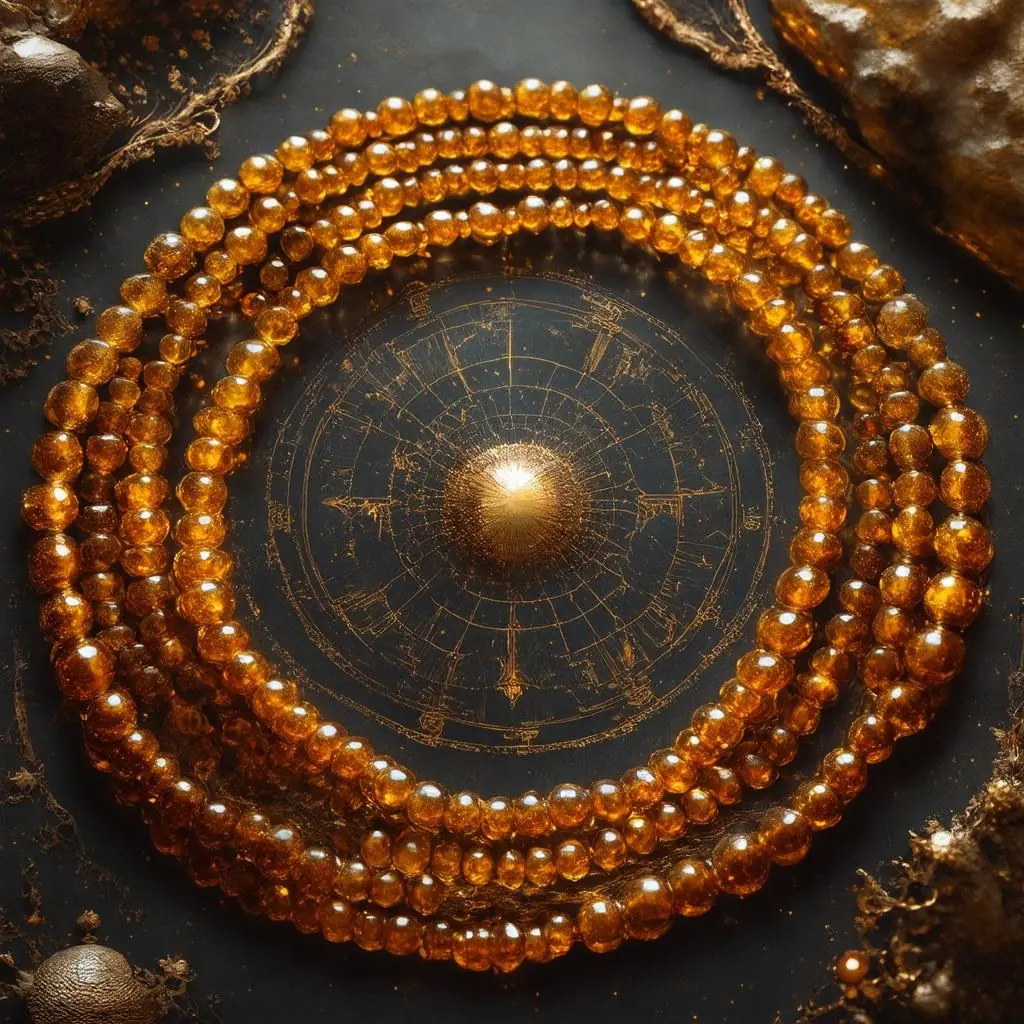
Amber has a kind of magic to it that other materials don’t quite replicate. It’s warm to the touch, golden in color, and formed from ancient tree resin over immense stretches of time. Unlike cold stone or polished metal, amber feels almost alive. That natural warmth may be one reason it has held such emotional and symbolic appeal across cultures and centuries.
Its rarity also mattered. In ancient communities, materials that were difficult to acquire often carried prestige. If amber in this burial really did come from the Baltic, that means it was part of long-distance exchange networks long before modern trade systems existed. Wearing amber may have signaled access, influence, connection, or elevated social standing. Jewelry made from it would have said something about the wearer before a single word was spoken.
But status is only part of the story. Amber has long been linked to protection, healing, vitality, and spiritual force in different traditions. Because it comes from nature yet looks radiant and almost sunlit, it often occupies a symbolic space between earth and energy. That helps explain why amber wasn’t merely collected—it was shaped into ornaments and worn close to the body.
The late Copper Age burial makes that point vividly. Around 140 ornaments weren’t included by accident. The scale of the find strongly suggests adornment played a role in how this person was perceived, remembered, or honored. Jewelry may have expressed who they were in life, what community they belonged to, or what beliefs surrounded death and the afterlife.
Ancient Adornment, Identity, and Ritual
One of the most compelling ideas behind this burial is that jewelry functioned as a language. Long before branding, social media, or even written records in many regions, adornment helped communicate identity. What someone wore could indicate rank, belonging, sacred role, life stage, wealth, or spiritual protection.
Amber fits especially well into that symbolic system because it is both visually striking and materially unusual. It doesn’t just sparkle—it glows. It carries the feeling of age, transformation, and natural mystery. That makes it perfect for ritual use or ceremonial significance. In a burial setting, amber ornaments may have represented honor, continuity, guardianship, or the preservation of identity beyond death.
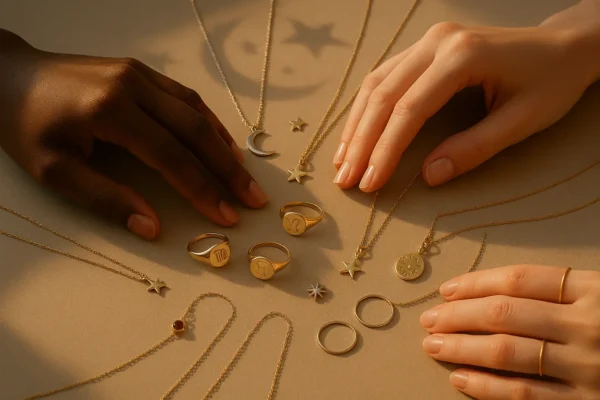
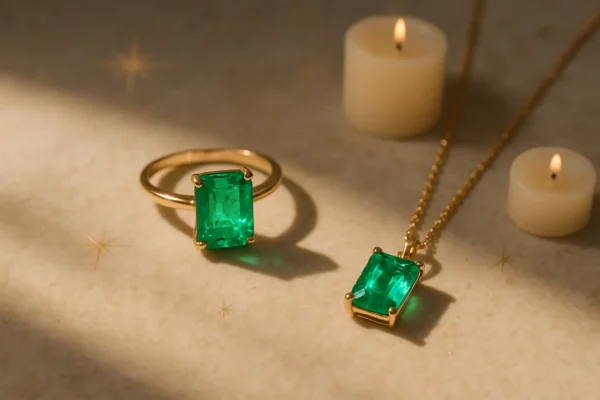
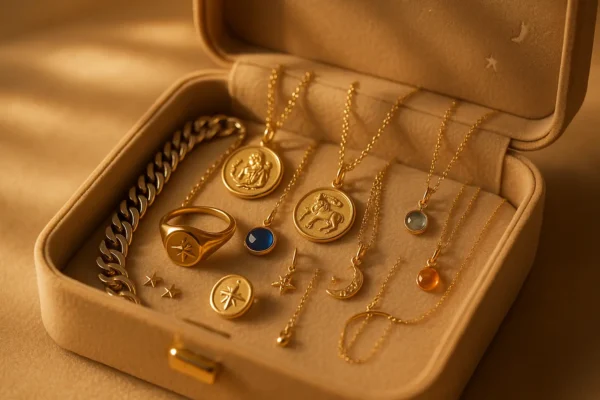
This is where the find feels surprisingly modern. Today, many people still choose jewelry for reasons that go beyond appearance. A ring can mark intention. A pendant can symbolize healing. A bracelet can serve as a reminder of strength, luck, love, or protection. Birthstones, zodiac jewelry, amulets, and talismans all reflect the same human instinct: the desire to wear meaning.
That instinct hasn’t disappeared. If anything, it has evolved. Modern consumers—especially people drawn to intentional living and quiet luxury—often want pieces that feel personal. They’re not only asking, “Does this look good?” They’re also asking, “What does this represent?” and “How does this fit into my life?”
Why Meaningful Jewelry Still Resonates Today
The ancient amber burial shows that symbolic adornment is not a passing trend. It’s one of the oldest human habits we have. Across thousands of years, jewelry has remained a way to hold meaning close—on the skin, near the heart, in daily rituals, and during major life transitions.
That’s a big reason why meaningful jewelry feels so relevant right now. In a fast-moving world, people are looking for objects that feel grounding. They want items that connect style with intention. A piece of jewelry can become a personal ritual: something worn for confidence before a big meeting, for calm during stressful days, or as a reminder of a goal, belief, or inner strength.
Amber’s long history makes it a perfect symbol for this conversation. It reminds us that adornment can be beautiful and significant at the same time. Ancient people appear to have recognized its emotional and cultural power. Modern wearers continue to seek that same depth, whether through celestial symbols, birthstones, protective motifs, or heirloom-inspired materials.
For spiritually conscious professionals, self-care advocates, and anyone drawn to personal symbolism, jewelry offers more than polish. It offers presence. A carefully chosen piece can feel like a private source of reassurance or a quiet expression of identity. It can communicate values like intentionality, connection, and authenticity without needing to be loud or heavily branded.
From Ancient Amber to Modern Talismans
What a 5,400-year-old burial reveals is actually pretty simple: humans have always wanted jewelry to mean something. The 140 amber ornaments found in northern Europe suggest adornment was tied to status, exchange, ritual, and identity in ways that still feel familiar today. The materials may change, the craftsmanship may evolve, and the styles may look different—but the emotional logic remains.
We still reach for jewelry that helps tell our story. We still treasure pieces that feel rare, symbolic, or protective. We still attach memory, hope, and meaning to what we wear.
Amber, with its warmth and ancient glow, stands as one of the earliest and clearest examples of this. It wasn’t just decorative then, and meaningful jewelry isn’t just decorative now. Whether it’s an ancient amber ornament placed with care in a burial or a modern talisman chosen for intention and everyday wear, the message is the same: adornment has always been about more than appearance.
And honestly, that may be why jewelry continues to matter so much. At its best, it doesn’t just decorate the body. It reflects the inner life.